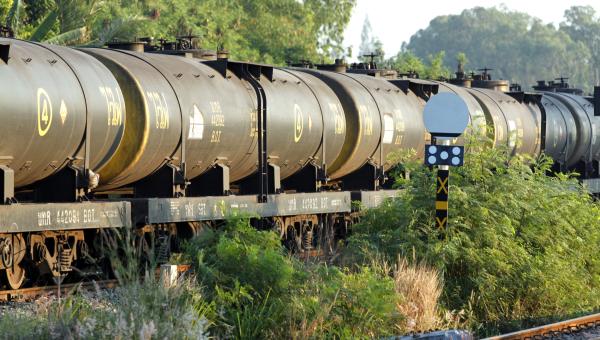
Last month Rob Benedict, senior director, petrochemicals, transportation and infrastructure at AFPM, spoke with Railway Age Editor-in-Chief William C. Vantuono regarding a host of current issues facing AFPM members and freight rail shippers across the United States.
WASHINGTON, D.C. – AFPM released the following statement today in response to the President signing into the law the reauthorization of the Chemical Facility Anti-Terrorism Standards program.
By an act of Congress and with the stroke of a pen, the Federal Aviation Administration’s (FAA) programs will continue to receive funding for the next 14 months.
Last night, the Governors of Texas, Wyoming, Oklahoma, and Utah joined the Governor of Louisiana in requesting that EPA exercise its general waiver authority to reduce Renewable Fuel Standard obligations to prevent severe economic harm to their states.
WASHINGTON, D.C. – AFPM President and CEO Chet Thompson issued the following statement on the agreement finalized today to end the OPEC+ oil price war.
The American Fuel & Petrochemical Manufacturers (AFPM) and American Petroleum Institute (API) sent a new letter to President Trump urging him not to listen to “misinformation and misguided policies” from the ethanol lobby that will result in lost jobs in refining communities and higher gasoline prices for consumers.
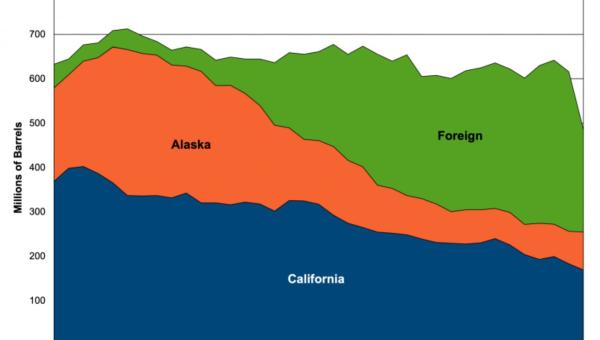
Limiting California’s access to the exact types of crude oil its facilities need will only increase prices for the state’s consumers and travelers. Drivers are already dealing with gasoline prices in excess of $5 per gallon and the highest fuel taxes of the 50 states. Confining energy producers and consumers to a smaller pool of crude oil will make a very sensitive price environment that much worse.
Government overreach is an issue that strikes a bipartisan chord. For some, the May 19th ruling by a federal appeals court – which eliminates the Federal Aviation Administration’s (FAA) 2015 requirement that hobbyists register their drones – may serve as a badge of freedom from the perpetual gaze of “Big Brother.”
It’s been two and a half years since Congress granted the Department of Homeland Security’s Chemical Facility Anti-Terrorism Standards (CFATS) program long-term authorization.