WASHINGTON, D.C. – "Federal policy is discouraging supply by shutting down pipelines, putting future production off limits, talking down the future of the petroleum business, and imposing expensive requirements on refineries, chief among them a burdensome Renewable Fuel Standard. The Administration is blaming others when it ought to take a sober look at its own energy policy."
Polyester soccer jerseys, polyethylene swim lane dividers, carbon track shoe insoles, and the jet fuel that moves athletes all over the world. These are just a few examples of the and fuels and petrochemical-based materials that play an irreplaceable role in summer sports.
AFPM members know that petrochemicals are invaluable to the production of countless consumer products. But many Americans may not realize how much they rely on xylene, benzene, butadiene, toluene, ethylene and propylene when they opt to spend time outside.
To address freight rail concerns, leaders from LyondellBasell and the Surface Transportation Board (STB) held discussions and toured LyondellBasell’s facility in Morris, Illinois. LyondellBasell’s Morris Complex is unique in that it is served by more than one major rail carrier. Nearly 80 percent of U.S. refineries and petrochemical facilities operate in regions served by just one freight rail provider.
We are surprised and disappointed by the President’s letter. Any suggestion that U.S. refiners are not doing our part to bring stability to the market is false. We would encourage the Administration to look inward to better understand the role their policies and hostile rhetoric have played in the current environment.
AFPM President & CEO Chet Thompson sent a letter House Speaker Nancy Pelosi and Minority Leader Kevin McCarthy expressing AFPM’s opposition to H.R. 7688, the Consumer Fuel Price Gouging Prevention Act.
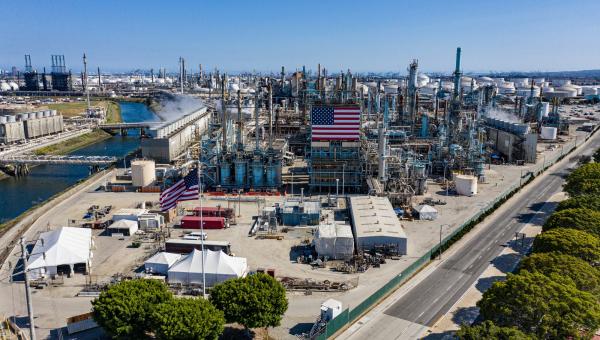
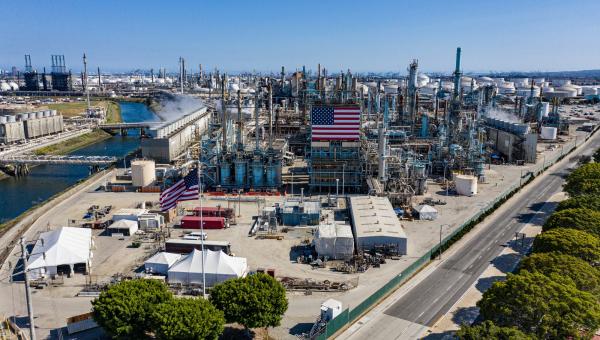
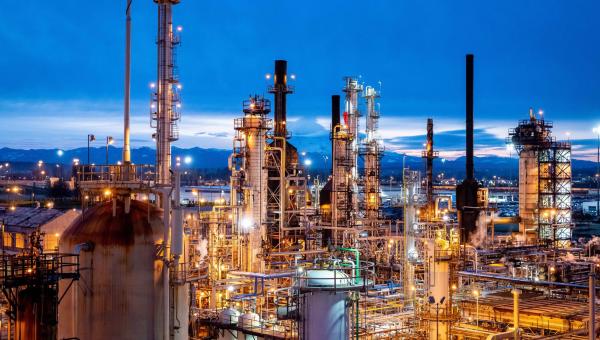
The United States has the most complex and efficient refining industry in the world, but we also have less refining capacity than we used to. Where the issue of refining capacity is concerned, it’s important to understand what refining capacity is, why we’ve lost capacity in the United States and how policies can advance the competitiveness of our refineries in the global market.
Some policymakers are rumored to be considering a ban on crude oil and/or U.S. refined product exports. This would be a mistake. Ending U.S. crude oil or refined product exports won’t help U.S. consumers by lowering prices at pump. In fact, it could make things even worse. Let’s take a closer look at how a refined product export ban would affect gasoline and diesel supplies and, thus, prices in the United States and around the world.
Refinery utilization, measures how much crude oil refineries are processing or “running” as a percentage of their maximum capacity. It tells us roughly how much of our refining muscle is being put to work manufacturing fuel. American refineries are running full-out, at about 95% of total capacity, contributing more fuel—gasoline, diesel, jet fuel, etc.—to the global market than any other country. In fact, U.S. refineries process more crude oil every day than the United States produces, and we make more finished fuels than the United States consumes.