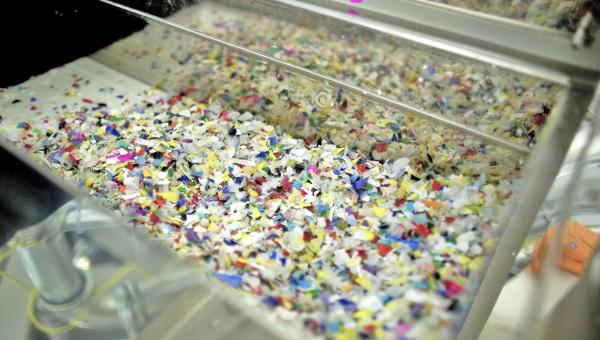
An engineer scoops a handful of tiny pellets out of a stainless-steel canister at a manufacturing plant in the Netherlands and rolls them around in his hand.
From the wings and fuselage to the seats and overhead bins, petrochemicals have been increasingly relied upon to make passenger aircraft lighter and stronger, cutting fuel use and costs and making air travel more sustainable at a time when more people are flying than ever before.
Many waste items provide important value before being tossed into a bin. Discarded plastic products, for example, originally serve as packaging to keep school lunches fresh, lightweight bottles for efficiently transporting fresh water to hard-to-reach areas, containers for soaps and detergents that facilitate hygiene – and much more.
Since the early 20th century, U.S. presidents have embraced automotive technology. President William Howard Taft, an early automobile enthusiast, broke the long presidential tradition of using horse-drawn vehicles and brought the presidency to more modern times with his use of the White steamer, a pre-gasoline steam-powered car.