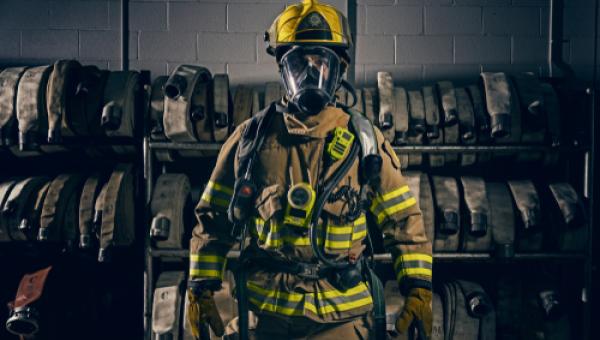
Dan’s legs – and his life – were saved, thanks to the fellow firefighters that pulled him out of danger and his personal protective equipment (PPE), also known as turnout gear, gear that’s made possible by petrochemicals.
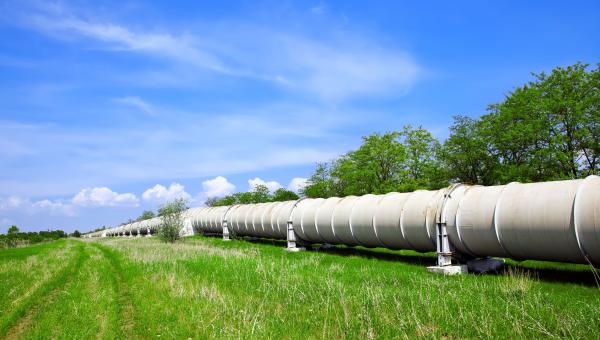
Alongside the publication of AFPM’s new study, “The Fuel & Petrochemical Supply Chains: Moving the Fuels & Products That Power Progress,” Flash Point interviewed leaders working on U.S. midstream infrastructure issues, including Sean Strawbridge, CEO of the Port of Corpus Christi.
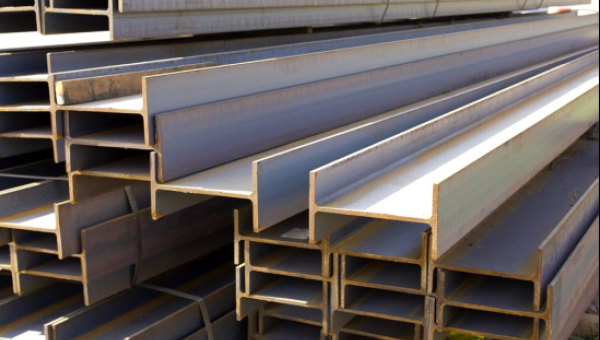
The American Fuel & Petrochemical Manufacturers (AFPM) has expressed concern about the impact that steel and aluminum tariffs would have on prices at the pump, infrastructure investment and jobs.
As Hurricane Lane, currently a Category 2 storm, makes its way towards Hawaii, our priority today is supporting Par Pacific Holdings, which is temporarily shutting down its 93,500 barrel per day refinery in Kapolei, on the island of Oahu, to ensure the safety of workers, and the community and environment surrounding the facility.
Alongside the publication of AFPM’s new study, “The Fuel & Petrochemical Supply Chains: Moving the Fuels & Products That Power Progress,” Flash Point interviewed leaders working on U.S. midstream infrastructure.
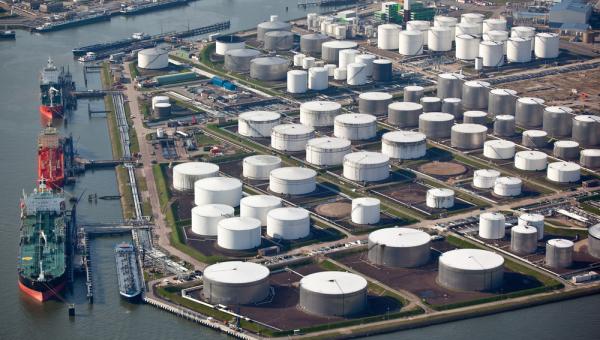
Alongside the publication of AFPM’s new study, “The Fuel & Petrochemical Supply Chains: Moving the Fuels & Products That Power Progress,” Flash Point interviewed leaders working on U.S. midstream infrastructure issues, including Peter Lidiak, vice president of the International Liquid Terminals Association.
Alongside the publication of AFPM’s new study, “The Fuel & Petrochemical Supply Chains: Moving the Fuels & Products That Power Progress,” Flash Point interviewed leaders working on U.S. midstream infrastructure issues.
In the days before stain-resistant carpets and upholstery, keeping muddy dogs and kids’ shoes off the furniture and out of the living room was a full-time job.
As research continues to yield breakthroughs in modern transportation, the evidence clearly shows that petrochemicals are integral to the future of travel.
Every day, AFPM members make products that improve our lives and contribute to human progress — including fuels like gasoline, diesel and jet fuel that facilitate access to vital health services, and petrochemicals used as building blocks to create healthcare equipment, devices and technologies.