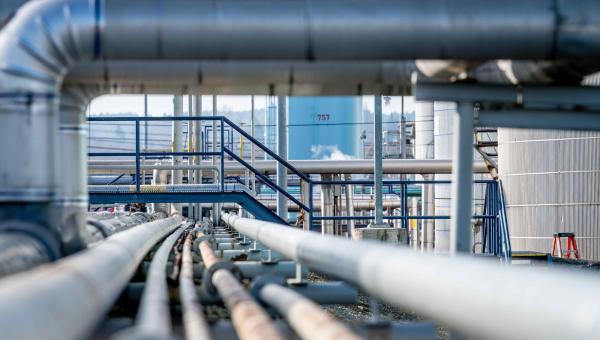
This week, AFPM joined API and industry associations representing fuel retailers, gasoline marketers, convenience stores and tank truck carriers to field questions from the media about the ongoing fuel distribution challenges resulting from the Colonial Pipeline shutdown.
WASHINGTON, D.C. – Rob Benedict, American Fuel & Petrochemical Manufacturers (AFPM) Vice President of Petrochemicals & Midstream, today released the following statement on the recently reintroduced Break Free from Plastic Pollution Act.
WASHINGTON, D.C. - This is a poorly devised bill that runs contrary to its purported purpose of improving the global environment. Banning the export of U.S. manufactured petrochemicals and polymers is shortsighted and will negatively impact global supply chains for essential materials and products.
AFPM opposes the Inflation Reduction Act as written. We evaluated the bill against our core principles, specifically whether the legislation would support strong U.S. refining and petrochemical industries and whether it pursued emissions reductions in a market-based and cost-effective manner. Unfortunately, the IRA falls short of these goals.
Restricting exports would be a major unforced error for the President, tightening global fuel supplies, throttling U.S. fuel production and increasing costs for American consumers. Likewise, imposing product inventory requirements boils down to siphoning gasoline and diesel into storage, and away from consumers.
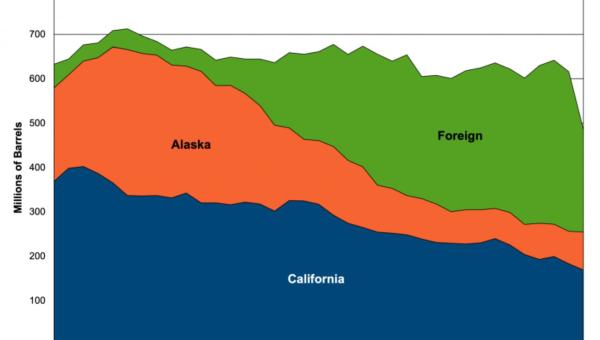
Limiting California’s access to the exact types of crude oil its facilities need will only increase prices for the state’s consumers and travelers. Drivers are already dealing with gasoline prices in excess of $5 per gallon and the highest fuel taxes of the 50 states. Confining energy producers and consumers to a smaller pool of crude oil will make a very sensitive price environment that much worse.
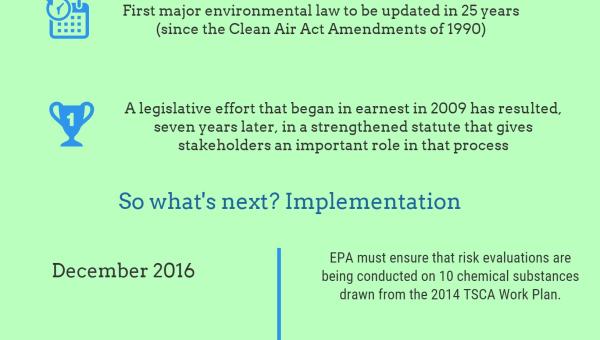
WASHINGTON, D.C. – Statement by American Fuel & Petrochemical Manufacturers (AFPM) President Chet Thompson on Congress’ passage of the Frank R. Lautenberg Chemical Safety for the 21st Century Act:
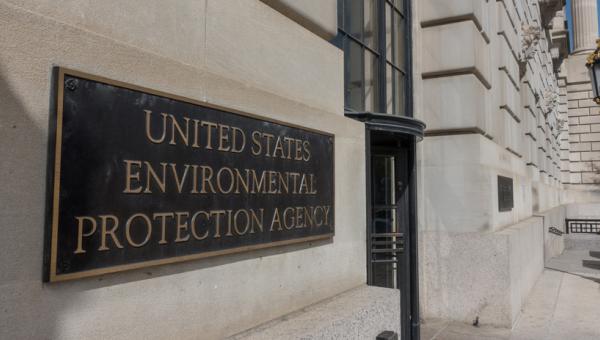
Chet Thompson, President and CEO of the American Fuel & Petrochemical Manufacturers (AFPM), issued the following statement on the Environmental Protection Agency’s proposed rule regarding modifying the interpretation of Clean Air Act Section 211(h)(4) to extend the E10 volatility waiver to E15, on which AFPM today submitted comments.
The temporary enforcement policy announced by the Environmental Protection Agency (EPA) triggered criticism about some in the oil and gas industry getting a “license to pollute” during a public health emergency.