I remember a few years ago when we were discussing a new regulatory approach being proposed in Europe that would put more of the burden of ensuring chemical safety on industry. It was touted by...
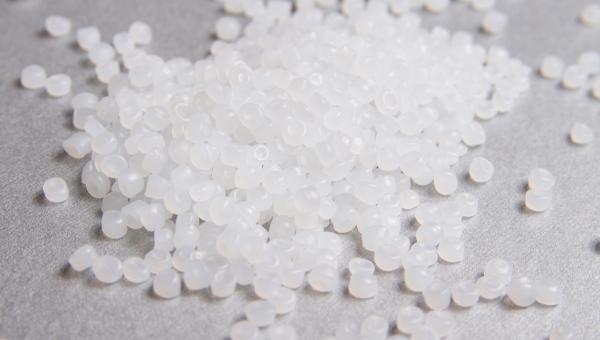
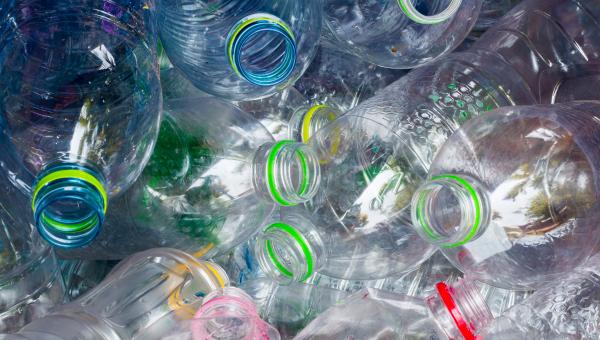
With recent plastic waste legislation from New York and New Jersey making headlines, we sat down with AFPM Senior Director of Petrochemicals, Transportation and Infrastructure Rob Benedict to discuss the petrochemical industry’s role in reducing plastic waste, new technological breakthroughs and how AFPM analyzes plastic waste policy proposals.
The temporary enforcement policy announced by the Environmental Protection Agency (EPA) triggered criticism about some in the oil and gas industry getting a “license to pollute” during a public health emergency.
Pyrolysis oil allows petrochemical manufacturers and recyclers to reduce the need for virgin petroleum-based feedstocks. Our industries cannot reap the benefits of advanced recycling without being able to take advantage of the substance’s broad uses, especially as a feedstock to make building blocks for new plastics.
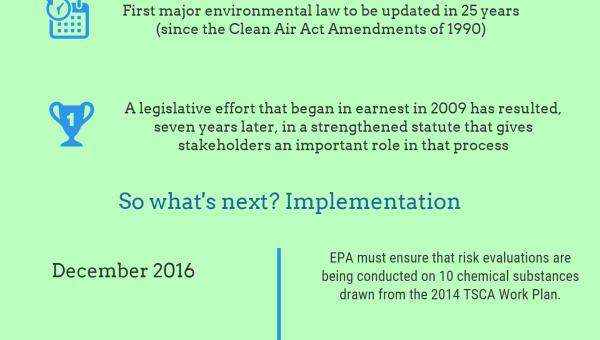
Washington, D.C. — American Fuel & Petrochemical Manufacturers (AFPM) Senior Vice President of Government Relations and Policy Geoff Moody issued the following statement on draft text from the House Energy and Commerce Committee which would implement reforms to the Toxic Substances Control Act (TSCA).
Since TSCA directly affects a company’s ability to make, import, sell and use chemicals, it has implications for entire American supply chains and interstate commerce.
WASHINGTON, D.C. – Statement by American Fuel & Petrochemical Manufacturers (AFPM) President Chet Thompson on Congress’ passage of the Frank R. Lautenberg Chemical Safety for the 21st Century Act:
WASHINGTON, D.C. – This decision by the Canadian government to designate plastic manufactured items as “toxic” is unwarranted and not based in science.