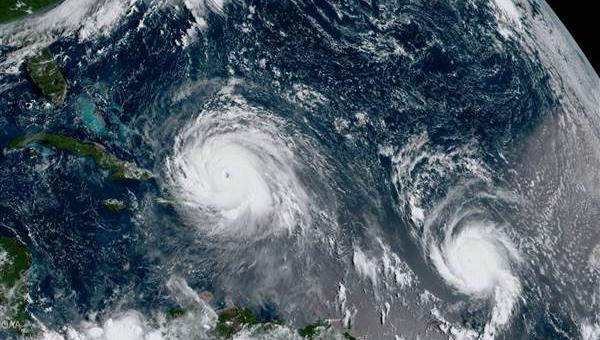
A duo of strong storms that swept through the United States has temporarily disrupted domestic fuel markets, but effective responses by the private and public sectors have limited the fallout from Hurricanes Harvey and Irma for Americans who need fuel critical for commerce.
I remember a few years ago when we were discussing a new regulatory approach being proposed in Europe that would put more of the burden of ensuring chemical safety on industry. It was touted by...
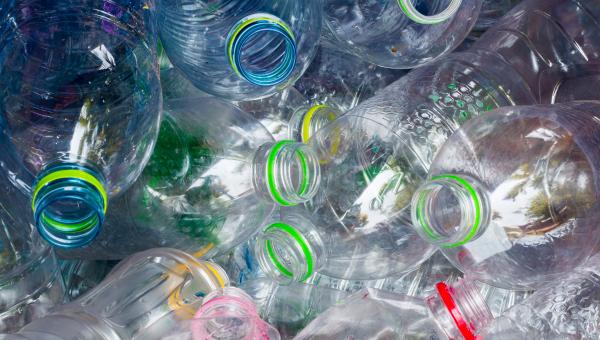
Pyrolysis oil allows petrochemical manufacturers and recyclers to reduce the need for virgin petroleum-based feedstocks. Our industries cannot reap the benefits of advanced recycling without being able to take advantage of the substance’s broad uses, especially as a feedstock to make building blocks for new plastics.
Washington, D.C. — American Fuel & Petrochemical Manufacturers (AFPM) Senior Vice President of Government Relations and Policy Geoff Moody issued the following statement on draft text from the House Energy and Commerce Committee which would implement reforms to the Toxic Substances Control Act (TSCA).
Since TSCA directly affects a company’s ability to make, import, sell and use chemicals, it has implications for entire American supply chains and interstate commerce.
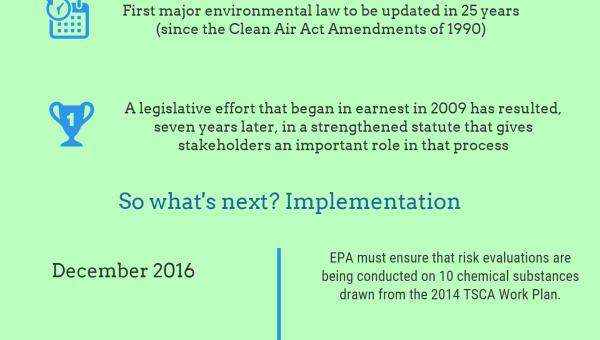
WASHINGTON, D.C. – Statement by American Fuel & Petrochemical Manufacturers (AFPM) President Chet Thompson on Congress’ passage of the Frank R. Lautenberg Chemical Safety for the 21st Century Act:
Visit AFPM’s Hurricane and Weather Event Resource Center for more information on steps being taken to ensure the safety of our members’ facilities, their employees and the communities that surround them.
Fuel supply restrictions resulting from hurricanes and other natural disasters, often lead to price increases as the market reacts to rebalance supply and demand. To protect consumers, many states have enacted price gouging laws that limit a merchant’s ability to raise prices during an emergency.