EPA’s existing Risk Management Plan (RMP) is doing what it was designed to do: drive continual safety improvements across workplaces to keep industry employees, contractors, facility neighbors and local environments safe. Any changes to a regulation as effective as the RMP need to be solidly evidence-based. Unfortunately, today’s proposal is filled with costly and misinformed changes, with little-to-no data to back them up. In fact, many of the proposed changes will adversely impact the safety and security missions of refining and petrochemical sites. AFPM looks forward to providing detailed comments on this proposal.
Because of the extensive safety and mitigation steps refiners take wherever hydrofluoric acid (HF) alkylation is concerned, the risks from this process pale in comparison to those we assume every day when we engage in routine activities like riding a bike, driving a car and playing with pets.
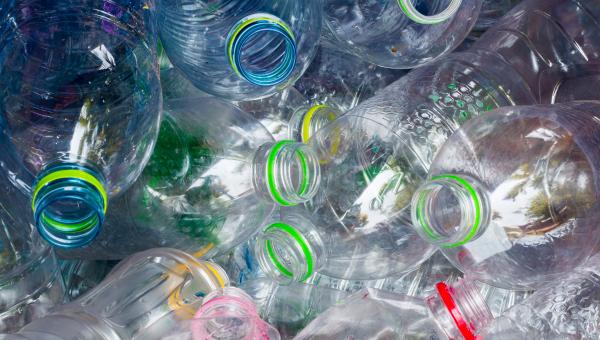
Pyrolysis oil allows petrochemical manufacturers and recyclers to reduce the need for virgin petroleum-based feedstocks. Our industries cannot reap the benefits of advanced recycling without being able to take advantage of the substance’s broad uses, especially as a feedstock to make building blocks for new plastics.
Have you ever wondered how crude oil or natural gas is processed, and how it becomes the building blocks of products we use everyday? This infographic gives a basic snapshot of how petrochemical...
WASHINGTON, D.C. – The American Fuel & Petrochemical Manufacturers (AFPM) has announced the winners of the 2018 Annual Safety Awards, part of an ongoing mission to enhance and recognize outstanding workplace safety.
AFPM’s online Safety Portal serves as the hub for all Occupational and Process Safety programs. Access to the Safety Portal is available to all member operating companies who have a signed Corporate User Agreement with AFPM.
Washington, D.C. — American Fuel & Petrochemical Manufacturers (AFPM) Senior Vice President of Government Relations and Policy Geoff Moody issued the following statement on draft text from the House Energy and Commerce Committee which would implement reforms to the Toxic Substances Control Act (TSCA).
Since TSCA directly affects a company’s ability to make, import, sell and use chemicals, it has implications for entire American supply chains and interstate commerce.