Restricting exports would be a major unforced error for the President, tightening global fuel supplies, throttling U.S. fuel production and increasing costs for American consumers. Likewise, imposing product inventory requirements boils down to siphoning gasoline and diesel into storage, and away from consumers.
I remember a few years ago when we were discussing a new regulatory approach being proposed in Europe that would put more of the burden of ensuring chemical safety on industry. It was touted by...
Pyrolysis oil allows petrochemical manufacturers and recyclers to reduce the need for virgin petroleum-based feedstocks. Our industries cannot reap the benefits of advanced recycling without being able to take advantage of the substance’s broad uses, especially as a feedstock to make building blocks for new plastics.
Washington, D.C. — American Fuel & Petrochemical Manufacturers (AFPM) Senior Vice President of Government Relations and Policy Geoff Moody issued the following statement on draft text from the House Energy and Commerce Committee which would implement reforms to the Toxic Substances Control Act (TSCA).
American Fuel & Petrochemical Manufacturers CEO Chet Thompson today issued the following statement on the Biden administration’s announcement that it plans to invoke emergency waiver authority under the Clean Air Act to allow for the incremental sale of E15 fuel this summer.
Since TSCA directly affects a company’s ability to make, import, sell and use chemicals, it has implications for entire American supply chains and interstate commerce.
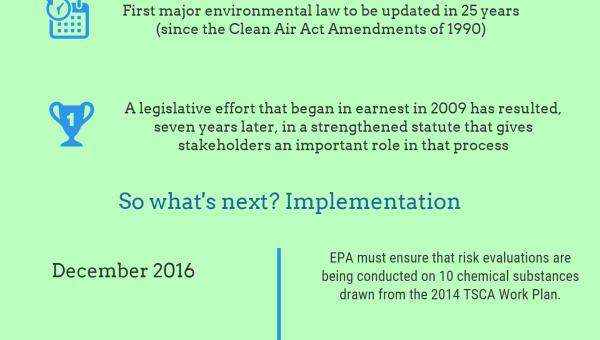
WASHINGTON, D.C. – Statement by American Fuel & Petrochemical Manufacturers (AFPM) President Chet Thompson on Congress’ passage of the Frank R. Lautenberg Chemical Safety for the 21st Century Act:
Today, the American Fuel & Petrochemical Manufacturers (AFPM) issued the following statement regarding revisions made to the National Environmental Policy Act (NEPA) Phase 1 regulations by the Council on Environmental Quality.