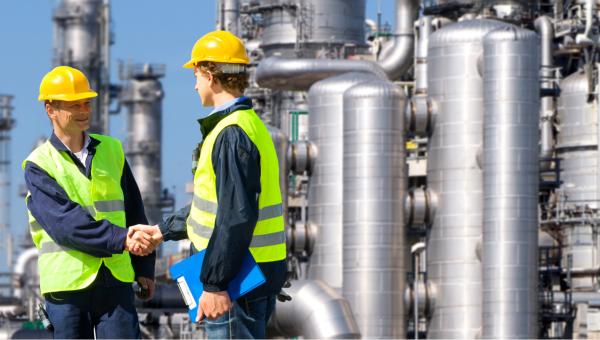
It was 2010 and Jerry Wascom, ExxonMobil’s Americas refining director, was worried. Despite fuel and petrochemical manufacturers making significant improvements in the safety of their individual operations, across the industries there was an uptick in serious incidents. Workers were getting injured, surrounding communities were losing confidence, the reputation of the industries was being tarnished and regulators were becoming increasingly engaged. Wascom turned to his counterparts within the American Fuel and Petrochemical Manufacturers Association (AFPM), the industry trade group, and asked, “Are we doing enough to protect people?”
One of the societal byproducts of the COVID-19 pandemic has been an increased emphasis on technology to meet changing needs, and the fuel and petrochemical industries are no exception to that trend.
Before the pandemic hit, the nation’s manufacturing sector — including the refining and petrochemical industries — was wrestling with how to find and train enough young people to replace the wave of Baby Boomers retiring from the workforce at a rate of nearly 6,000 per day.
America’s refining and petrochemical community employs and supports over three million people, hiring individuals from all education levels to fill a wide range of positions (such as welders, electricians, chemists, and engineers).
March is Women’s History Month, and the American Fuel & Petrochemical Manufacturers (AFPM) has two upcoming opportunities for the women in our industry to network and connect with their peers. Women...
A recent Pew study found that seven-in-ten Americans now use social media. This shouldn’t come as a surprise. Social media has existed for the better part of 15 years. It is entrenched in our societal fabric.
Beyond digitization (converting analog information to digital) and digitalization (the technology-driven shift to business processes) lies digital transformation.
Because of the extensive safety and mitigation steps refiners take wherever hydrofluoric acid (HF) alkylation is concerned, the risks from this process pale in comparison to those we assume every day when we engage in routine activities like riding a bike, driving a car and playing with pets.