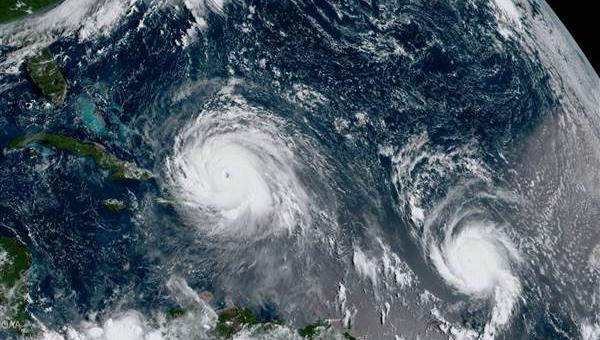
A duo of strong storms that swept through the United States has temporarily disrupted domestic fuel markets, but effective responses by the private and public sectors have limited the fallout from Hurricanes Harvey and Irma for Americans who need fuel critical for commerce.
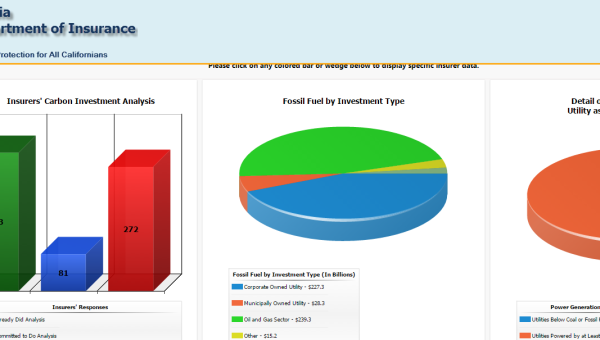
Last week, California Insurance Commissioner Dave Jones launched the latest salvo in his relentless crusade to coerce the nation’s leading insurance companies to divest from oil and natural gas company holdings.
The temporary enforcement policy announced by the Environmental Protection Agency (EPA) triggered criticism about some in the oil and gas industry getting a “license to pollute” during a public health emergency.
Nothing is more important than the health and safety of our people and our communities—the communities where our employees live, work and go to school.
In advance of the AFPM Summit, AFPM Vice President of Technical and Safety Programs Lara Swett and Technical Operations Program Leader Alyse Keller talk about one of AFPM’s premier safety programs, Walk the Line.
It was 2010 and Jerry Wascom, ExxonMobil’s Americas refining director, was worried. Despite fuel and petrochemical manufacturers making significant improvements in the safety of their individual operations, across the industries there was an uptick in serious incidents. Workers were getting injured, surrounding communities were losing confidence, the reputation of the industries was being tarnished and regulators were becoming increasingly engaged. Wascom turned to his counterparts within the American Fuel and Petrochemical Manufacturers Association (AFPM), the industry trade group, and asked, “Are we doing enough to protect people?”
Visit AFPM’s Hurricane and Weather Event Resource Center for more information on steps being taken to ensure the safety of our members’ facilities, their employees and the communities that surround them.
America’s refining and petrochemical community employs and supports over three million people, hiring individuals from all education levels to fill a wide range of positions (such as welders, electricians, chemists, and engineers).