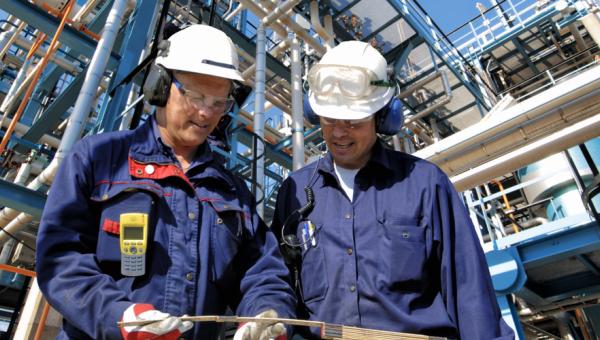
Over the last few years, AFPM has increased its efforts to attract people to the wide range of careers in the fuel and petrochemical industries in anticipation of not only a wave of retirements that will hit the industries in the next 5-10 years, but also tremendous growth thanks to the shale revolution.
The beginning of fall once again marks the start of another school year filled with endless possibilities for wide-eyed students eager to learn. For AFPM, the beginning of the school year is yet...
America’s abundance of oil and natural gas is providing a variety of high-tech, well-paying careers. More than 30 refinery expansions worth $14 billion are currently under development across the...
WASHINGTON, D.C. – AFPM President and CEO Chet Thompson today issued the following statement in response to Gov. Newsom’s executive order outlining his aspirational goal to ban the sale of new passenger cars and trucks with internal combustion engines.
Building on decades of broader efforts alongside automakers to advance fuel-efficient technologies and vehicles, refiners are leading the effort to transition the U.S. to high-octane gasoline.
Often overlooked in the compendium of efforts toward a cleaner vehicle fleet are bold, industry-led innovations inefficient liquid fuels, vehicle designs and internal combustion engines that continue to dramatically reduce tailpipe emissions.
WASHINGTON, D.C. – “AFPM joins other industry groups and the Clean Air Scientific Advisory Committee in support of the EPA’s proposal to retain current health and environment air quality standards.
As part of our work to promote workforce development in the fuel and petrochemical industries, AFPM has teamed up with EdVenture Partners to stage a student-based recruitment challenge and highlight...
Decarbonizing heavy trucks and airplanes, which will continue to rely on liquid fuels for the foreseeable future, once seemed a distant dream. That is changing thanks to innovation and investment from America’s fuel refiners, which are manufacturing renewable diesel and sustainable aviation fuels that cut carbon emissions by as much as 80 percent.
A central theme running through the “Better Deal” economic policy agenda that the Democratic Party rolled out this week is the importance of creating—and protecting—good-paying jobs – jobs that will help boost middle-class incomes and create new economic opportunities nationwide.