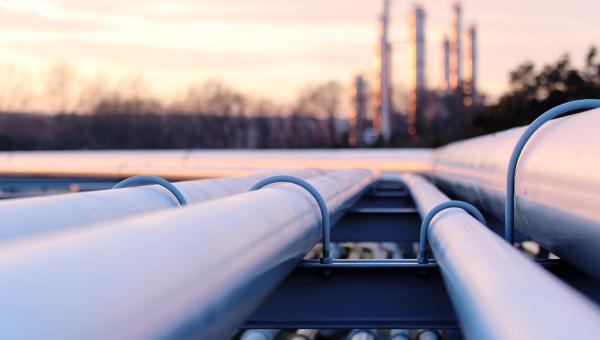
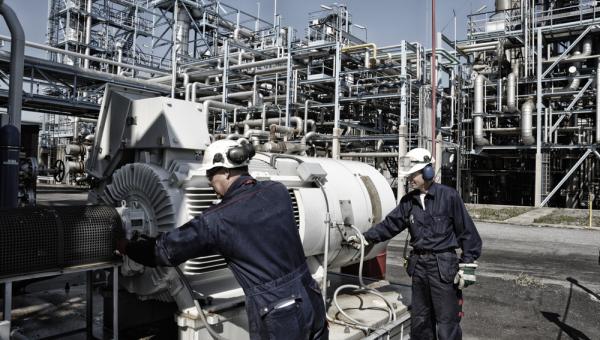
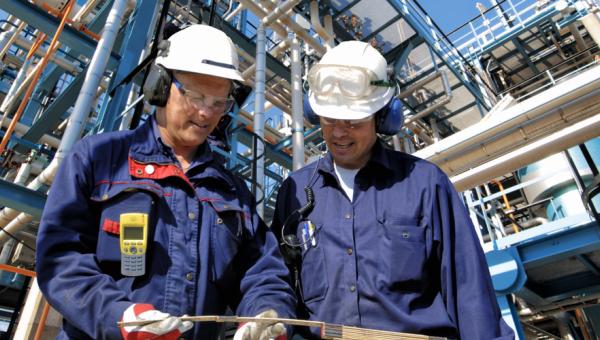
Over the last few years, AFPM has increased its efforts to attract people to the wide range of careers in the fuel and petrochemical industries in anticipation of not only a wave of retirements that will hit the industries in the next 5-10 years, but also tremendous growth thanks to the shale revolution.
The beginning of fall once again marks the start of another school year filled with endless possibilities for wide-eyed students eager to learn. For AFPM, the beginning of the school year is yet...
America’s abundance of oil and natural gas is providing a variety of high-tech, well-paying careers. More than 30 refinery expansions worth $14 billion are currently under development across the...
Coronavirus developments are front of mind for everyone, including the staff at AFPM. We took a moment to speak with Jeff Gunnulfsen, senior director, security and risk management, about industry preparedness for the pandemic.
As part of our work to promote workforce development in the fuel and petrochemical industries, AFPM has teamed up with EdVenture Partners to stage a student-based recruitment challenge and highlight...
The unprecedented disaster wrought by Hurricane Harvey has the safety of friends, family, colleagues and communities along the Gulf Coast weighing heavy on our minds and hearts.
Fuel supply restrictions resulting from hurricanes and other natural disasters, often lead to price increases as the market reacts to rebalance supply and demand. To protect consumers, many states have enacted price gouging laws that limit a merchant’s ability to raise prices during an emergency.
A central theme running through the “Better Deal” economic policy agenda that the Democratic Party rolled out this week is the importance of creating—and protecting—good-paying jobs – jobs that will help boost middle-class incomes and create new economic opportunities nationwide.