The latest job numbers out today (Friday, September 7th) once again paint a rosy picture of the U.S. economy – 201,000 jobs were added in August, above expectations, and wages continued to increase.
As American manufacturers champion their contributions to economic competitiveness and product innovation today, the industry has yet another reason to celebrate – U.S. manufacturing employment is still on the rise.
Current fuel at the pump contains 10 percent ethanol because Congress passed a law mandating ethanol use. Some are pushing for a higher proportion of 85 percent, known as E85.
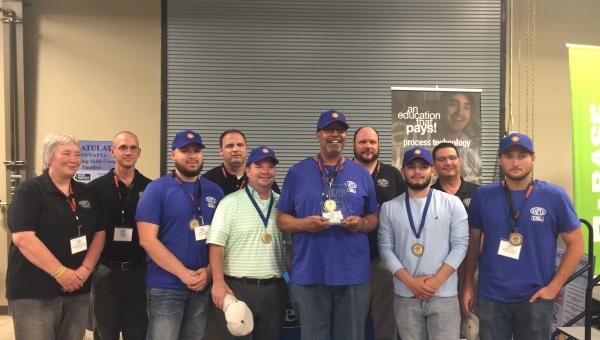
One of the most significant challenges facing the fuel and petrochemical industries is finding the next generation of craft professionals ranging from electricians to millwrights to everything in between.
It was 2010 and Jerry Wascom, ExxonMobil’s Americas refining director, was worried. Despite fuel and petrochemical manufacturers making significant improvements in the safety of their individual operations, across the industries there was an uptick in serious incidents. Workers were getting injured, surrounding communities were losing confidence, the reputation of the industries was being tarnished and regulators were becoming increasingly engaged. Wascom turned to his counterparts within the American Fuel and Petrochemical Manufacturers Association (AFPM), the industry trade group, and asked, “Are we doing enough to protect people?”
A nationwide 95 RON octane standard for vehicles can deliver major carbon reductions in the nation’s light-duty auto fleet faster and at a lower cost than any other proposal being considered by policymakers right now, especially policies seeking to force nationwide vehicle electrification.
The cost of Renewable Fuel Standard (RFS) compliance credits, specifically D6 renewable identification numbers (RINs), is out of control. Sales of D6 RINs for conventional ethanol recently registered above $1.90 (the highest trades in history).