WASHINGTON, D.C. – Rob Benedict, American Fuel & Petrochemical Manufacturers (AFPM) Vice President of Petrochemicals & Midstream, today released the following statement on the recently reintroduced Break Free from Plastic Pollution Act.
WASHINGTON, D.C. - This is a poorly devised bill that runs contrary to its purported purpose of improving the global environment. Banning the export of U.S. manufactured petrochemicals and polymers is shortsighted and will negatively impact global supply chains for essential materials and products.
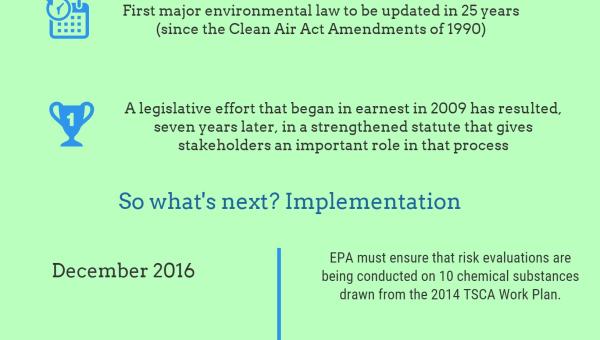
WASHINGTON, D.C. – Statement by American Fuel & Petrochemical Manufacturers (AFPM) President Chet Thompson on Congress’ passage of the Frank R. Lautenberg Chemical Safety for the 21st Century Act:
The temporary enforcement policy announced by the Environmental Protection Agency (EPA) triggered criticism about some in the oil and gas industry getting a “license to pollute” during a public health emergency.
Pyrolysis oil allows petrochemical manufacturers and recyclers to reduce the need for virgin petroleum-based feedstocks. Our industries cannot reap the benefits of advanced recycling without being able to take advantage of the substance’s broad uses, especially as a feedstock to make building blocks for new plastics.
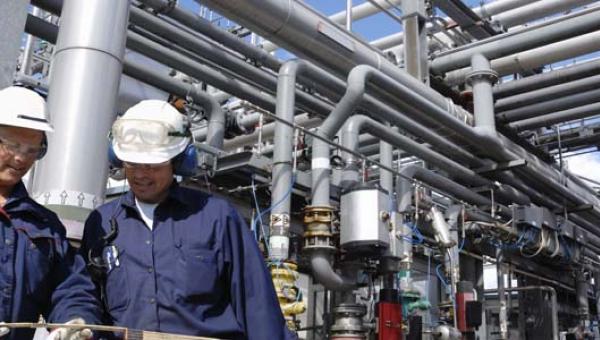
America’s refining and petrochemical community employs and supports over three million people, hiring individuals from all education levels to fill a wide range of positions (such as welders, electricians, chemists, and engineers).
The beginning of fall once again marks the start of another school year filled with endless possibilities for wide-eyed students eager to learn. For AFPM, the beginning of the school year is yet...
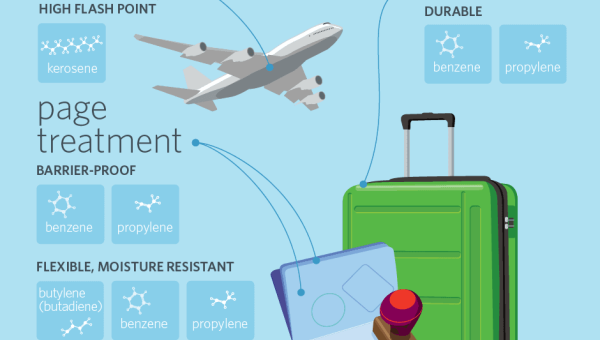
Not only do the fuel and petrochemical industries make it possible, they’re also responsible for preserving and maintaining some of the best-known landmarks all over the world. Read on to join us for a ‘round the globe trip to some of the world’s most famous petrochemicals!
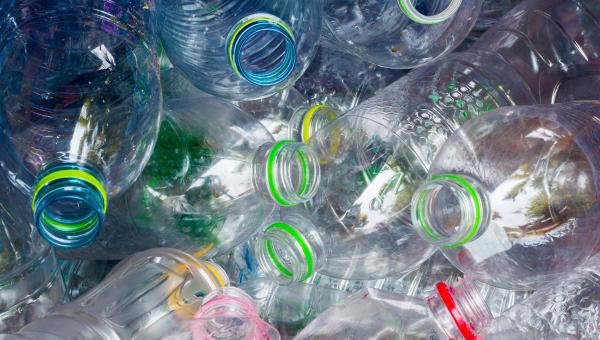
AFPM welcomes the Environmental Protection Agency’s (EPA’s) efforts in developing a Draft National Strategy to Prevent Plastic Pollution, but consistent with comments submitted to the Agency, we urge a revision of their strategy. To prevent plastic pollution, we encourage EPA to embrace policies that enable, not hinder, a circular economy for plastics where we use a range of technologies and strategies to recover post-consumer plastic and transform it back into usable materials.