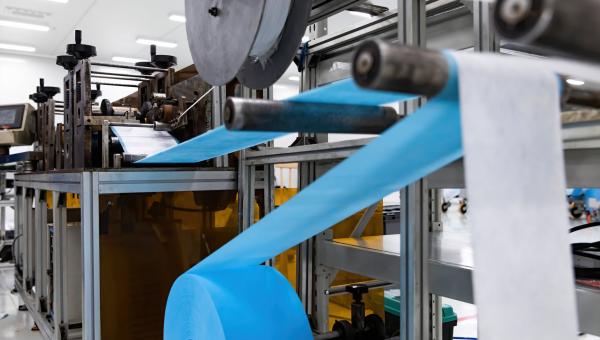
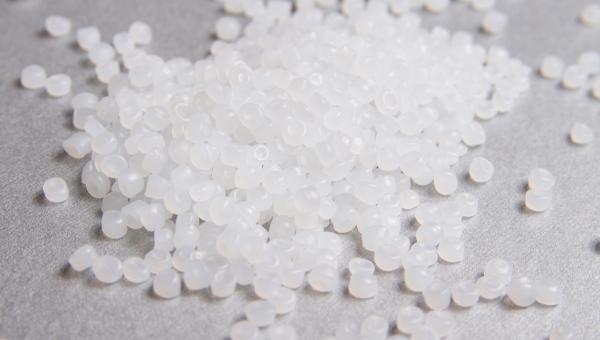
Navigating our current health crisis offers frequent reminders of the critical role petrochemicals, particularly plastics, play in daily life — whether in the masks and gloves that protect our frontline health care providers, the containers that hold our takeout food, or the wrapping that keeps our groceries fresh and clean.
AFPM Senior Petrochemical Advisor Jim Cooper talks about the central role of petrochemicals in health care, and why the petrochemical industry is considered critical infrastructure.
AFPM Senior Petrochemical Advisor Jim Cooper answered a few questions to help illuminate some of the ways that petrochemicals—and the industries that produce them—are working to protect people from the coronavirus.
With recent plastic waste legislation from New York and New Jersey making headlines, we sat down with AFPM Senior Director of Petrochemicals, Transportation and Infrastructure Rob Benedict to discuss the petrochemical industry’s role in reducing plastic waste, new technological breakthroughs and how AFPM analyzes plastic waste policy proposals.
Given low domestic recycling rates for plastic, the efficacy of recycling is often called into question. But that doesn’t mean recycling doesn’t work. Advanced recycling technologies — as well as traditional mechanical recycling — play a pivotal role in addressing plastic waste and recovering the value in used plastics.
No single solution can solve the global challenge of plastic waste. First, we must recognize that there is immense value in plastics and the ability to reuse or recycle these products. From there, we need to get a recycling system that works.