From the wings and fuselage to the seats and overhead bins, petrochemicals have been increasingly relied upon to make passenger aircraft lighter and stronger, cutting fuel use and costs and making air travel more sustainable at a time when more people are flying than ever before.
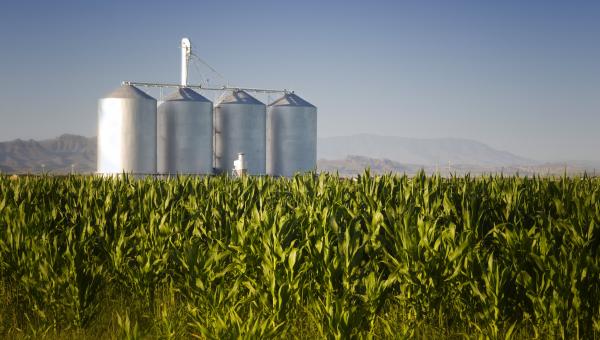
As we progress through 2019, one thing that has remained consistent is that U.S. ethanol consumption and blending are higher this year than they have ever been — a sign that small-refinery hardship waivers exempting some qualified facilities from Renewable Fuel Standard (RFS) blending obligations have not destroyed demand for ethanol.
Many waste items provide important value before being tossed into a bin. Discarded plastic products, for example, originally serve as packaging to keep school lunches fresh, lightweight bottles for efficiently transporting fresh water to hard-to-reach areas, containers for soaps and detergents that facilitate hygiene – and much more.