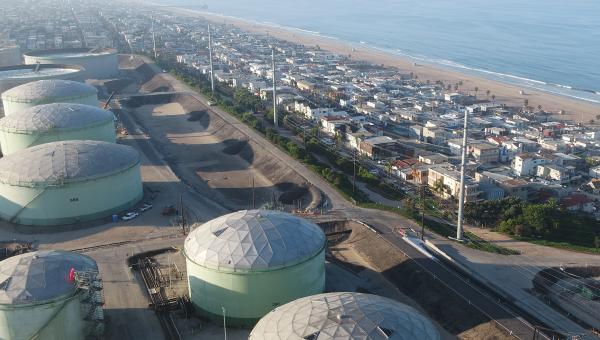
With some of the strictest environmental standards in the nation, Chevron’s El Segundo refinery in Los Angeles County, California, shows what is possible when industry works hand-in-hand with the neighboring community.
WASHINGTON, D.C. – The United Steelworkers—on behalf of their 1.2 million active and retired members, and the American Fuel & Petrochemical Manufacturers, in a joint letter, have petitioned President Biden to fill the four empty seats on the Chemical Safety & Hazards Investigations Board (CSB).
Reducing emissions from the transportation sector is a focal point o many strategies to address climate change.iAnd within transportation, heavy freight poses a specific challenge.
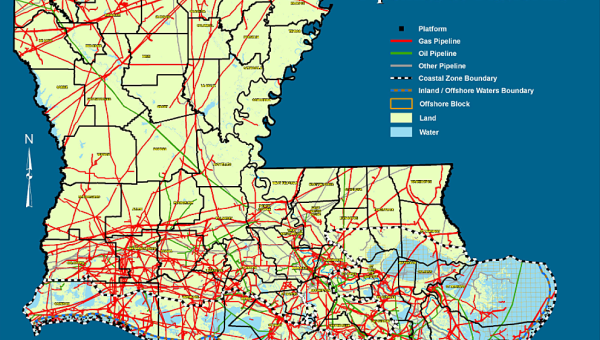
OK, all you anti-pipeline activists, it’s time for a pop quiz: Can you identify on the map below where the proposed Bayou Bridge pipeline will be built? How about if we narrow it down to a map of just...
America’s refining and petrochemical community employs and supports over three million people, hiring individuals from all education levels to fill a wide range of positions (such as welders, electricians, chemists, and engineers).
Behind government “moonshots” and corporate sustainability pledges lie multitudes of technological innovations required to make these aspirations possible. The fuel and petrochemical industries play critical roles in advancing and scaling the new technologies that will help us address the dual challenge of providing the products the world needs to thrive while operating in an increasingly sustainable way.
In 2019, Chevron Phillips Chemical (CPChem)’s Sustainability Technical Manager Ron Abbott was given a seemingly insurmountable challenge: by 2020, make CPChem the first company in the U.S. to announce commercial production of a circular polymer made by converting plastic waste into the chemical building blocks for new plastic. A cross-functional team was launched and started chipping away at the goal.