This week, AFPM joined API and industry associations representing fuel retailers, gasoline marketers, convenience stores and tank truck carriers to field questions from the media about the ongoing fuel distribution challenges resulting from the Colonial Pipeline shutdown.
WASHINGTON, D.C. - This is a poorly devised bill that runs contrary to its purported purpose of improving the global environment. Banning the export of U.S. manufactured petrochemicals and polymers is shortsighted and will negatively impact global supply chains for essential materials and products.
Despite opposition from thousands of elected officials, state agencies, businesses, community groups and other stakeholders, EPA pressed ahead with its tighter ozone standards from 75 parts per billion (ppb) to 70 ppb on October 1st last year - a move that is expected to cost $1.4 billion annually and provide little economic benefit.
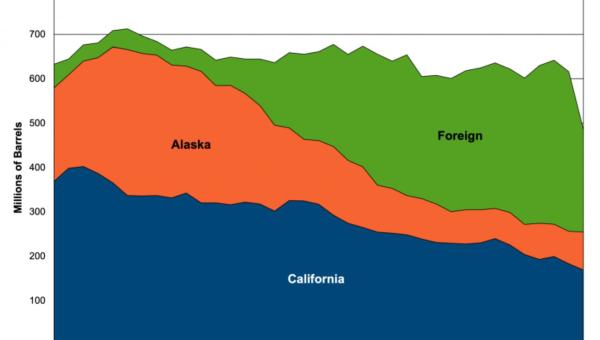
Limiting California’s access to the exact types of crude oil its facilities need will only increase prices for the state’s consumers and travelers. Drivers are already dealing with gasoline prices in excess of $5 per gallon and the highest fuel taxes of the 50 states. Confining energy producers and consumers to a smaller pool of crude oil will make a very sensitive price environment that much worse.
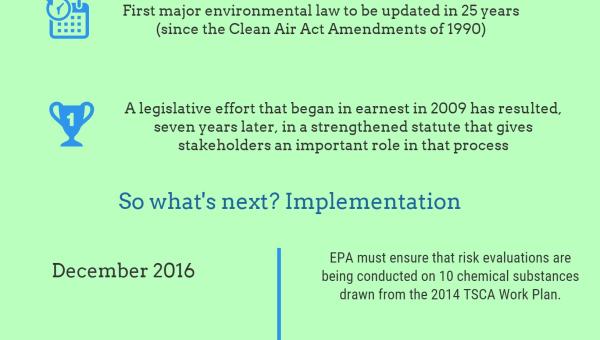
I remember a few years ago when we were discussing a new regulatory approach being proposed in Europe that would put more of the burden of ensuring chemical safety on industry. It was touted by...
Although President Obama’s controversial Clean Power Plan (CPP) has been debated at length for several months, its legal failings finally came under the microscope during oral argument in W Virginia et al. v EPA et al. in the DC Circuit Court of Appeals on September 27.
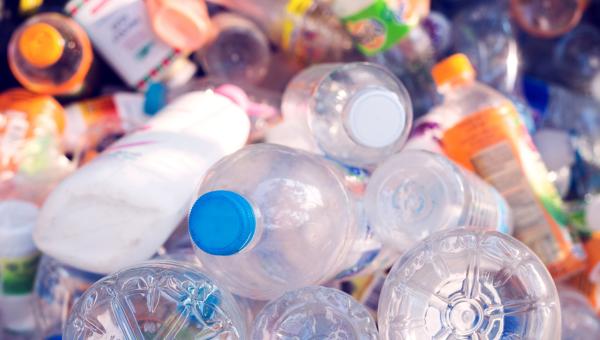
WASHINGTON, D.C. – This decision by the Canadian government to designate plastic manufactured items as “toxic” is unwarranted and not based in science.
One key component called for in nearly every recipe for clean, low-sulfur gasoline is alkylate. Alkylate is high in octane, low in sulfur and has zero aromatics which all help to lower vehicle emissions and tailpipe pollution.
The beginning of fall once again marks the start of another school year filled with endless possibilities for wide-eyed students eager to learn. For AFPM, the beginning of the school year is yet...