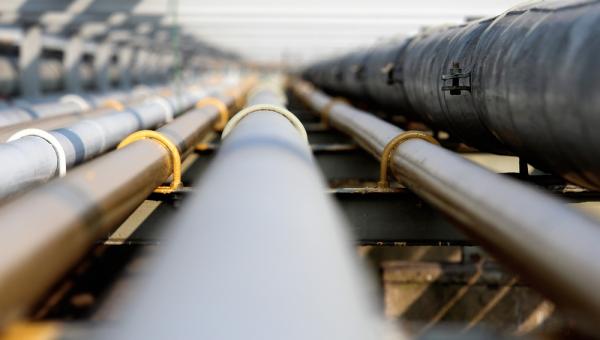
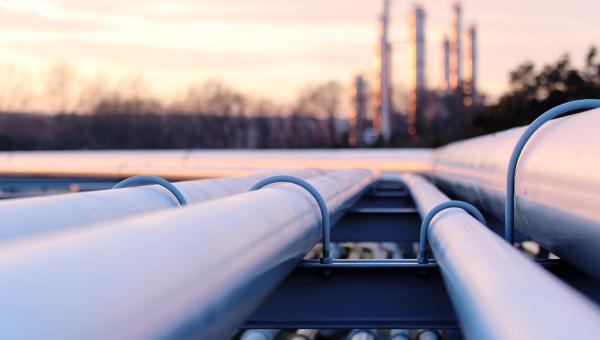
Increasing public interest in pipelines in recent months prompted us to speak with AFPM Senior Director of Petrochemicals, Transportation, and Infrastructure Rob Benedict to gain some insight into the hidden role of pipelines in our everyday lives.
WASHINGTON, D.C. – Chet Thompson, president and CEO of the American Fuel and Petrochemical Manufacturers, today issued the following statement applauding the passage of S. 1982, the Save Our Seas Act.
Coronavirus developments are front of mind for everyone, including the staff at AFPM. We took a moment to speak with Jeff Gunnulfsen, senior director, security and risk management, about industry preparedness for the pandemic.
Building on decades of broader efforts alongside automakers to advance fuel-efficient technologies and vehicles, refiners are leading the effort to transition the U.S. to high-octane gasoline.
As more states limit the size of gatherings and even consider shelter-in-place policies in response to COVID-19, AFPM is working to see that refineries and petrochemical facilities.
Often overlooked in the compendium of efforts toward a cleaner vehicle fleet are bold, industry-led innovations inefficient liquid fuels, vehicle designs and internal combustion engines that continue to dramatically reduce tailpipe emissions.
Amid the hours of granular policy and technical discussions at this year’s Energy Information Administration energy conference, one message from the private sector came through loud and clear...
The operator of an 800-ton crane at ExxonMobil’s Baton Rouge, Louisiana, polypropylene project construction site lowers a new 150-foot-tall reactor into place.