
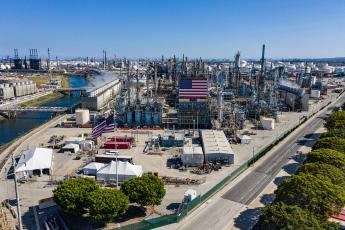
What refiners are doing about the global diesel crunch
Diesel is the fuel of the global economy. It powers agriculture, heavy shipping and freight. Diesel costs, therefore, trickle down and get reflected throughout the economy, so it’s no wonder Americans and consumers everywhere want to know what’s going right now with diesel.

AFPM: Final CAFE rule puts program back on solid legal footing, but cost-savings would be undercut by fuel export bans
WASHINGTON, D.C. — American Fuel & Petrochemical Manufacturers (AFPM) President and CEO Chet Thompson issued the following statement on the Trump administration’s release of a final rule for revised 2027-2031 Corporate Average Fuel Economy Standards (CAFE).
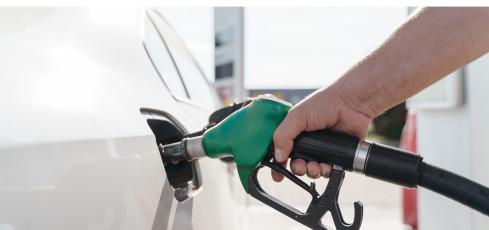
Paging Susan Collins… Northeast and West Coasts are most vulnerable to energy trade retaliation
A diesel export ban wouldn't just affect fuel markets overseas, tighten domestic fuel supplies or hurt the economic engine of American energy manufacturing in the Gulf Coast. It would expose some of the United States’ most energy-dependent regions to retaliation and even greater energy supply disruptions. The U.S. Northeast and West Coasts are the most vulnerable if this were to happen.

What they’re saying: Diesel export ban equals higher gas prices
We’ve shared why a diesel export ban could mean less U.S. fuel production and higher prices. Now, a growing chorus of experts, analysts and administration officials is sounding the same warning specifically for gasoline: an export ban could push prices at the pump higher.

What they’re saying, part 4: Export ban is the wrong move for U.S. energy security
Part 4 of our ongoing series sharing expert perspectives on why a diesel export ban (or a ban on U.S. crude oil or any American-made fuels) would backfire spectacularly.
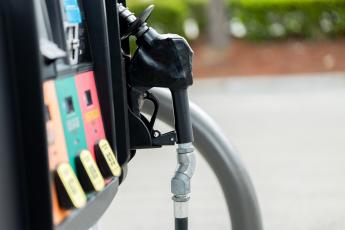
A diesel export ban could raise gasoline prices
A diesel export ban may sound like a way to lower fuel costs. In reality, it could actually raise gasoline prices. Blocking diesel exports would eventually force refiners to cut fuel production overall, including gasoline, putting upward pressure on prices and increasing America's reliance on imported fuel. Here’s why.

U.S. business, energy, manufacturing groups urge President Trump to reject fuel export restrictions
Washington, D.C. – Today, more than 30 U.S. business, energy and manufacturing groups from around the country issued a letter to President Trump today urging him to reject calls to ban or limit the export of diesel and other fuels from the United States.

What they’re saying, part 3: Export ban is the wrong move for U.S. energy security
We’ve already shared a pair of blog posts featuring perspectives from experts, analysts, reporters and even some current/former administration officials on why an export ban on U.S. crude oil or American-made diesel, gasoline and refined products would be a costly mistake. Now, we’re sharing even more perspectives, and the fact there are so many tells you all you need to know about why an export ban would backfire.
What they’re saying, part 2: Export ban is the wrong move for U.S. energy security
Previously, we shared perspectives from experts, analysts, reporters and even some current (and former) administration officials on why an export ban on U.S. crude oil or American-made diesel, gasoline and refined products would be a grave mistake. Instead of cutting prices for consumers, it would result in less U.S. fuel production, tighter supplies, greater energy security risks and higher prices. Here are even more perspectives on why an export ban is the wrong move for U.S. energy security.