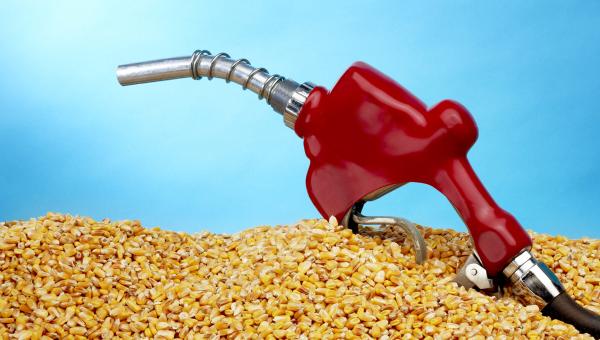
This year, the EPA is poised to “reset” the Renewable Fuel Standard (RFS), which was passed in 2005 and expanded in 2007 to require increasing amounts of biofuels to be incorporated into U.S. gasoline and diesel supplies.
New analysis has found that a Senate plan to extend the federal electric vehicle (EV) tax credit would cost taxpayers as much as $16 billion over the next decade, money that in recent years has largely gone toward the purchase of luxury electric vehicles.
AAA expects roughly 45 million travelers to head out of town and go at least 50 miles from home over the upcoming Memorial Day weekend, breaking a 20-year travel record in the process. The vast majority of these travelers—nearly 90%—are likely to be road warriors, driving cars and trucks fueled by American-made gasoline.
Every day, U.S. consumers purchase more than 350 million gallons of gasoline to get to work and school, to go on vacation and to see family. But what goes into the price we pay for gasoline?
Pay close attention as we continue diving into Renewable Fuel Standard (RFS) costs, because $770 per gallon is what the Environmental Protection Agency (EPA) is considering having you pay next year for every extra gallon of corn ethanol that might get blended BECAUSE of the RFS.
EPA’s RFS reallocation proposal could raise Americans’ 2026-2027 RFS bill to $150 billion, but if soybean oil prices jump significantly, total costs could reach $190 billion.
WASHINGTON, D.C. — American Fuel & Petrochemical Manufacturers (AFPM) President and CEO Chet Thompson sent a letter to EPA Administrator Lee Zeldin Wednesday urging EPA to avoid a repeat of last year’s 11th hour emergency RVP waivers for summer gasoline sold in the Midwest. Excerpts from AFPM’s letter and a brief explainer of E10 and E15, summer gasoline, and RVP waivers are included below.
As biofuel producers know very well, ethanol is a highly valued octane booster that can depend on market demand, not mandated consumption, for its competitive edge.
A diversity of consumer groups, environmental organizations, food producers and engine manufacturers joined AFPM in voicing their opposition to the unsustainable ethanol mandates released by the Environmental Protection Agency (EPA) for 2019.
The Wall Street Journal editorial board is questioning the legality and rationality of President Trump’s recent order to have the Environmental Protection Agency (EPA) change long-standing Clean Air Act rules to accommodate the year-round sale of E15 fuel (gasoline blended to contain 15-percent ethanol).