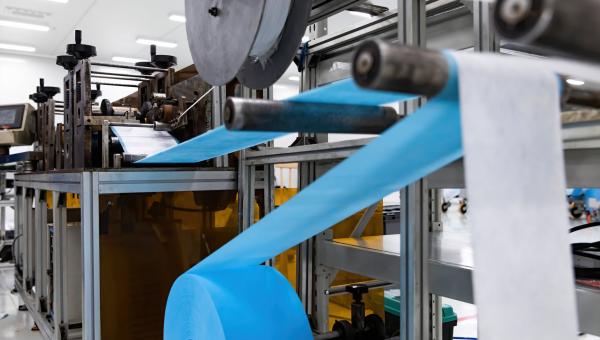
AFPM Senior Petrochemical Advisor Jim Cooper answered a few questions to help illuminate some of the ways that petrochemicals—and the industries that produce them—are working to protect people from the coronavirus.
At only 21 years old, Matt was diagnosed with heart valve disease — a condition he was able to manage with the help of doctors and medicines for nearly a decade.
Earlier this month, researchers at the University of Sydney and Harvard announced the development of a new surgical glue called “MeTro”, which promises to revolutionize the treatment of wounds both on...
Athletes gathering for the winter Paralympics in South Korea this month are remarkable examples of how people overcome challenges – and new technologies are increasingly helping these impressive athletes push their limits by doing more, going faster or going farther.
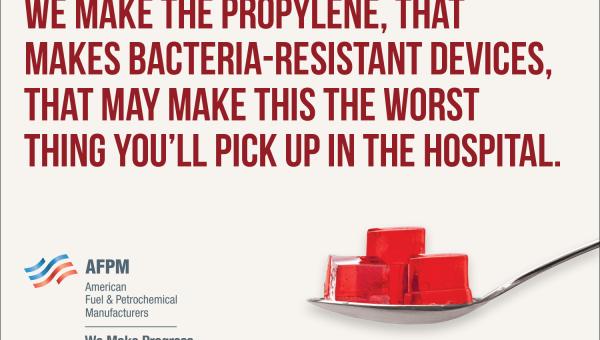
Every day, AFPM members make products that improve our lives and contribute to human progress — including fuels like gasoline, diesel and jet fuel that facilitate access to vital health services, and petrochemicals used as building blocks to create healthcare equipment, devices and technologies.
Petrochemicals derived from oil and natural gas are the building blocks for products that protect our military personnel, create medical advancements to help save lives in combat, and aid our wounded warriors.
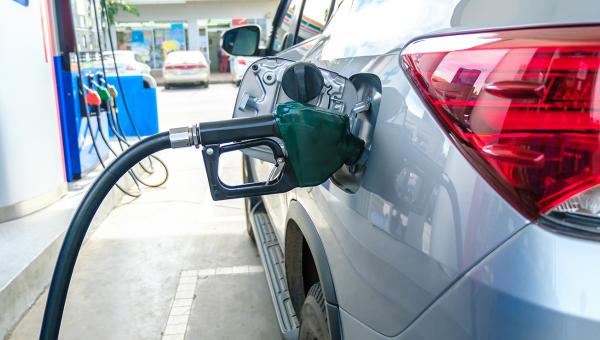
AAA expects roughly 45 million travelers to head out of town and go at least 50 miles from home over the upcoming Memorial Day weekend, breaking a 20-year travel record in the process. The vast majority of these travelers—nearly 90%—are likely to be road warriors, driving cars and trucks fueled by American-made gasoline.
Every day, U.S. consumers purchase more than 350 million gallons of gasoline to get to work and school, to go on vacation and to see family. But what goes into the price we pay for gasoline?