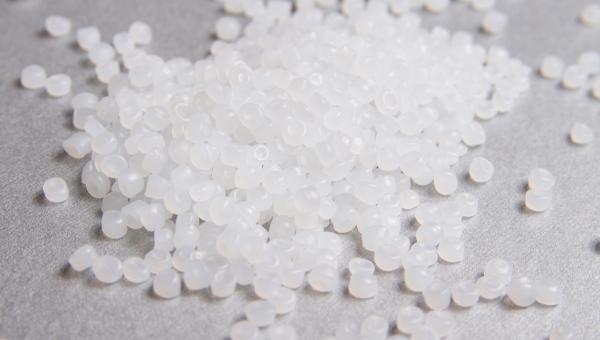
With recent plastic waste legislation from New York and New Jersey making headlines, we sat down with AFPM Senior Director of Petrochemicals, Transportation and Infrastructure Rob Benedict to discuss the petrochemical industry’s role in reducing plastic waste, new technological breakthroughs and how AFPM analyzes plastic waste policy proposals.
WASHINGTON, D.C. – The United Steelworkers—on behalf of their 1.2 million active and retired members, and the American Fuel & Petrochemical Manufacturers, in a joint letter, have petitioned President Biden to fill the four empty seats on the Chemical Safety & Hazards Investigations Board (CSB).
Polyester soccer jerseys, polyethylene swim lane dividers, carbon track shoe insoles, and the jet fuel that moves athletes all over the world. These are just a few examples of the and fuels and petrochemical-based materials that play an irreplaceable role in summer sports.
We are surprised and disappointed by the President’s letter. Any suggestion that U.S. refiners are not doing our part to bring stability to the market is false. We would encourage the Administration to look inward to better understand the role their policies and hostile rhetoric have played in the current environment.
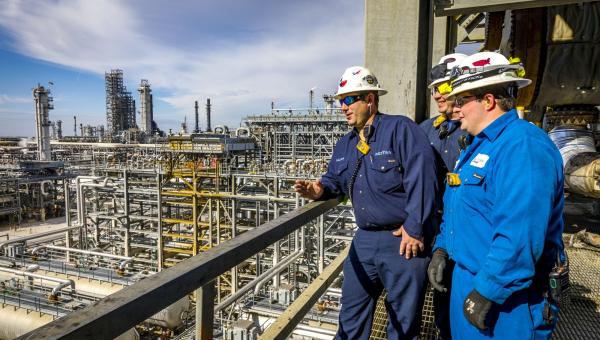
The U.S. petrochemical industry has a crucial and enduring role to play in meeting the needs of a growing world population while simultaneously fulfilling the imperative to produce petrochemicals in a sustainable and clean manner.
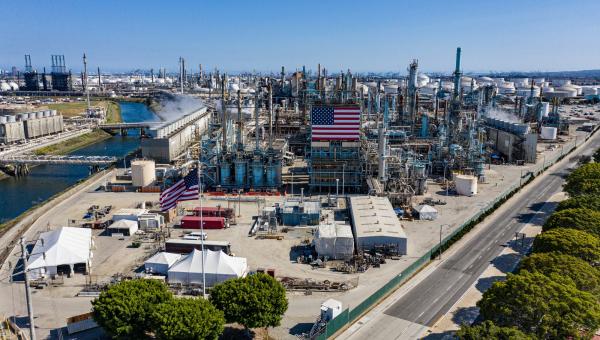
In a tight refined product market it has been U.S. refiners that have stepped up. Our industry ran full-out for most of 2022 making sure American consumers, our domestic economic centers and our allies had enough gasoline, diesel and jet fuel to keep everyone moving. Our refining sector leads the world in liquid fuel production and is effectively doing more than any other to bring better balance to the global market.
As petrochemicals and recycling advancements give old plastic new life over and over again—from shoes and clothes made of recycled plastic recovered from the ocean, to plastic bottles being chemically recycled into fuel and a raw material to make new petrochemicals—what it means to “recycle” is changing right before our eyes.