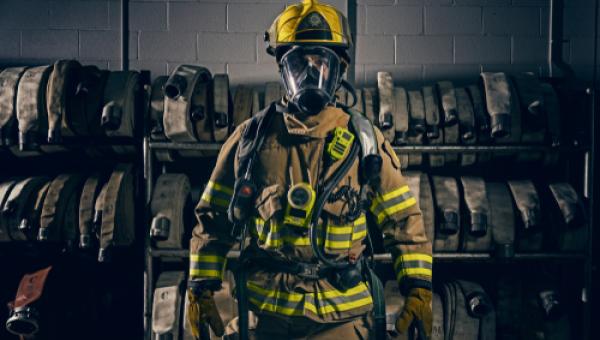
Dan’s legs – and his life – were saved, thanks to the fellow firefighters that pulled him out of danger and his personal protective equipment (PPE), also known as turnout gear, gear that’s made possible by petrochemicals.
In the days before stain-resistant carpets and upholstery, keeping muddy dogs and kids’ shoes off the furniture and out of the living room was a full-time job.
Every day, AFPM members make products that improve our lives and contribute to human progress — including fuels like gasoline, diesel and jet fuel that facilitate access to vital health services, and petrochemicals used as building blocks to create healthcare equipment, devices and technologies.
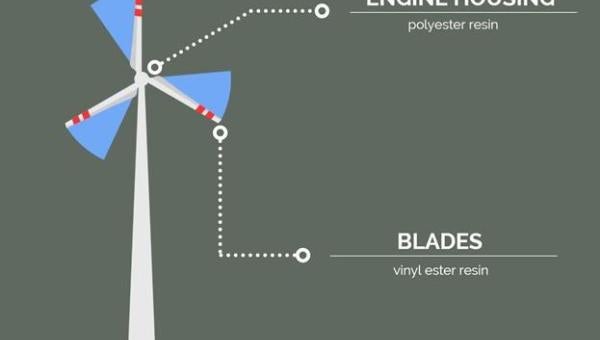
As the Energy Information Administration pointed out in a recent update, alternative energy is growing - and wind and solar continue to lead that mix. This rising (although still tiny) growth rate is...
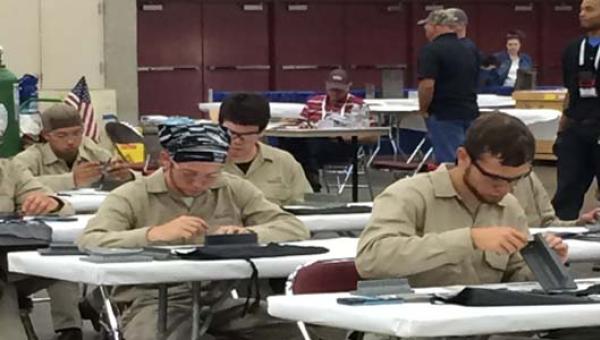
One of the most significant challenges facing the fuel and petrochemical industries is finding the next generation of craft professionals ranging from electricians to millwrights to everything in between.
U.S. petrochemical manufacturers are at the forefront of research and development into cutting-edge solutions to give new life to used plastic products. Leveraging their in-depth understanding of plastics’ molecular composition and the manufacturing process itself, AFPM members are investing in recycling technology, infrastructure and partnerships that will reduce mismanaged plastic waste by applying unlocking its value as a feedstock.
For more than 100 years, the women and men of our industries have answered the call to serve when our country needed them. Through war, economic shocks, and natural disasters, refiners and petrochemical manufacturers have helped build new industries, grow our economy and fuel progress.