The Energy Information Administration today released figures that give everyone in the industry reason to cheer: U.S. energy-related carbon dioxide emissions in 2015 are 12% below their 2005 levels...
Despite opposition from thousands of elected officials, state agencies, businesses, community groups and other stakeholders, EPA pressed ahead with its tighter ozone standards from 75 parts per billion (ppb) to 70 ppb on October 1st last year - a move that is expected to cost $1.4 billion annually and provide little economic benefit.
Ethylene, a key building block in plastic and vital to our country’s manufacturing industry, has been thrust into the spotlight due to Hurricane Harvey’s impact on its production process.
As American manufacturers champion their contributions to economic competitiveness and product innovation today, the industry has yet another reason to celebrate – U.S. manufacturing employment is still on the rise.
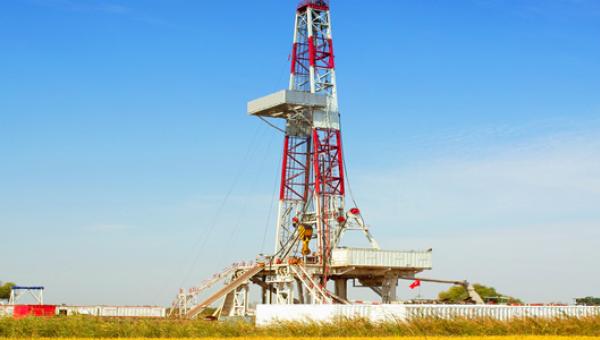
Hydraulic fracturing, or fracking, has falsely been assigned a bad stigma. But this drilling technique to collect oil and natural gas has some extremely positive effects. Here are four results of...
A nationwide 95 RON octane standard for vehicles can deliver major carbon reductions in the nation’s light-duty auto fleet faster and at a lower cost than any other proposal being considered by policymakers right now, especially policies seeking to force nationwide vehicle electrification.
Governmental and public interest in carbon capture, utilization and storage (CCUS) is on the rise. Federal officials, labor unions and experts – including the International Energy Agency – have all identified CCUS as critical to achieving significant near-term reductions in greenhouse gas emissions.
COVID-19 upended energy markets. Demand disappeared and producers scaled back. Now that economies are reopening, and the demand for goods and services is rebounding, the demand for energy all along the supply chain is increasing, driving up not only the cost of the feedstocks and fuels refineries and petrochemical manufacturers use, but also the cost of the energy used at every step of the supply chain.
McKinsey released a new report outlining the emissions profiles of plastic vs. non-plastic alternatives in multiple use cases. They found that in nearly every case examined, plastics are responsible for less greenhouse gas emissions throughout their lifecycle than alternative materials.