The fuel and petrochemical industries employ highly trained, talented people who produce the fuels, feedstocks and products that are critical to the well-being of our economy and country. Supporting...
With recent plastic waste legislation from New York and New Jersey making headlines, we sat down with AFPM Senior Director of Petrochemicals, Transportation and Infrastructure Rob Benedict to discuss the petrochemical industry’s role in reducing plastic waste, new technological breakthroughs and how AFPM analyzes plastic waste policy proposals.
America’s refining and petrochemical community employs and supports over three million people, hiring individuals from all education levels to fill a wide range of positions (such as welders, electricians, chemists, and engineers).
Polyester soccer jerseys, polyethylene swim lane dividers, carbon track shoe insoles, and the jet fuel that moves athletes all over the world. These are just a few examples of the and fuels and petrochemical-based materials that play an irreplaceable role in summer sports.
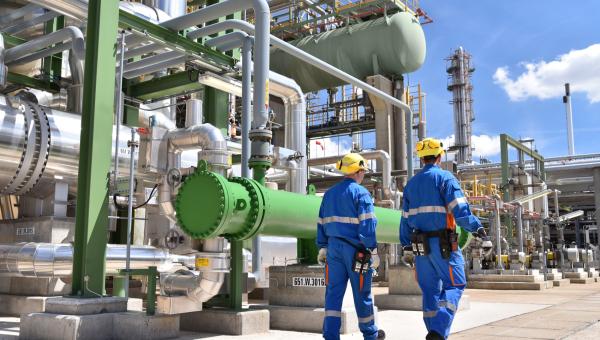
The fuel and petrochemical manufacturing industries have come a long way from the simple thermal stills used to create kerosene in the 19th century to today’s sophisticated, high-tech and complex facilities that help provide America — and the world — with the fuels, petrochemicals and products that we all rely upon every day.
The U.S. petrochemical industry has a crucial and enduring role to play in meeting the needs of a growing world population while simultaneously fulfilling the imperative to produce petrochemicals in a sustainable and clean manner.
AFPM asked collegiate teams to create an original video highlighting the career opportunities within the fuel refining and petrochemical manufacturers industries in addition to showing the benefits our industries provide to everyday lives.