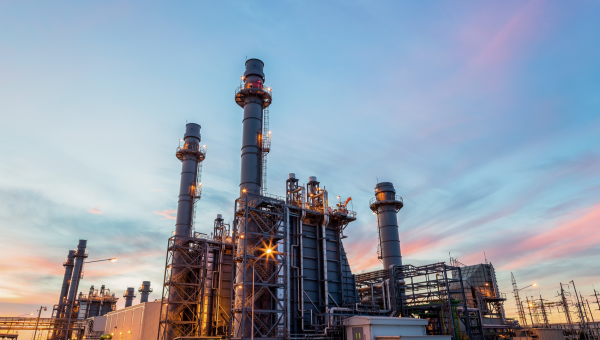
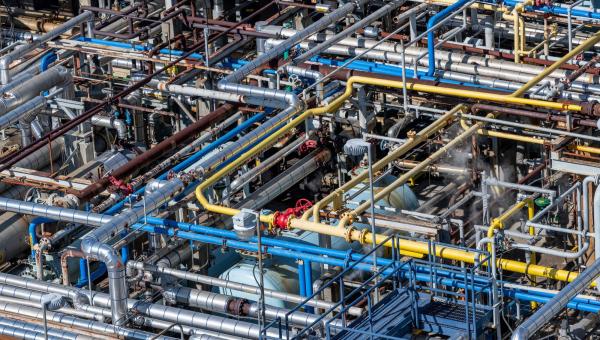
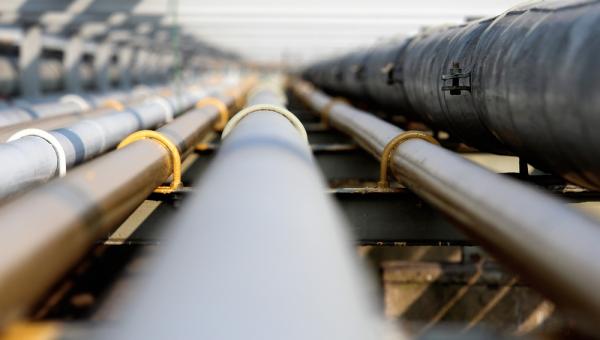
AFPM director of transportation and infrastructure, Rob Benedict, discusses the potential impacts proposed steel tariffs would have on the fuels and petrochemical industries.
SPR releases cannot be the center of this Administration’s strategy to confront inflation and high energy prices. At best, SPR releases are a short-term fix, they are not a solution. Stability and certainty is what global crude oil markets crave.
AFPM asked collegiate teams to create an original video highlighting the career opportunities within the fuel refining and petrochemical manufacturers industries in addition to showing the benefits our industries provide to everyday lives.
Publicly owned companies, like many U.S. refineries, have a fiduciary responsibility (which is a legal obligation) to act in the best interest of their shareholders, and that extends to how companies spend their earnings. Often, earnings are spent on a combination of the following: direct dividends, stock buy back programs, paying down debt and capital investment projects.
AFPM President and CEO Chet Thompson issued the following statement in response to President Biden’s State of the Union address: "Using the State of the Union to politicize market fundamentals and single out stock “buy back” programs—while overlooking the fact that the Biden administration’s own policies discourage the reinvestment of earnings back into the U.S. liquid fuel supply chain—cheapens the dialog for everyone."
AFPM issued the following statement on the passage of California legislation that will empower the state’s unelected bureaucracy to impose an effective windfall tax and massive regulatory burden on the state’s remaining refineries. "...Add this legislative cocktail to the list of self-inflicted policy wounds for a state already bleeding people."
Governor Gavin Newsom continues to blame fuel refiners for California’s highest-in-the-nation fuel prices. He couldn't be more wrong. The problem and solution to much of California’s fuel price challenge can be found in Sacramento policy. Take a look to better understand the role of policy in regional price differences, why it’s inaccurate to equate “margins” or “refinery cracks” with “profits,” and why windfall profit taxes are a known policy failure.
U.S. refining capacity increased to more than 18.8 million barrels per day as of January 1, 2019, the highest capacity on record, according to a new report issued by the Energy Information Administration.
WASHINGTON, D.C. – The American Fuel & Petrochemical Manufacturers (AFPM) supports President Trump’s Executive Orders that will create clear pathways for the permitting process and support energy infrastructure development.
WASHINGTON, D.C. – Today, Chet Thompson, President and CEO of the American Fuel & Petrochemical Manufacturers, made the following statement regarding the Administration’s announcement of tariffs on products made in Mexico.