The renegotiation of the North American Free Trade Agreement (NAFTA) provides an important opportunity to preserve and strengthen NAFTA’s investor protections, specifically the investor-state dispute settlement (ISDS) mechanism.
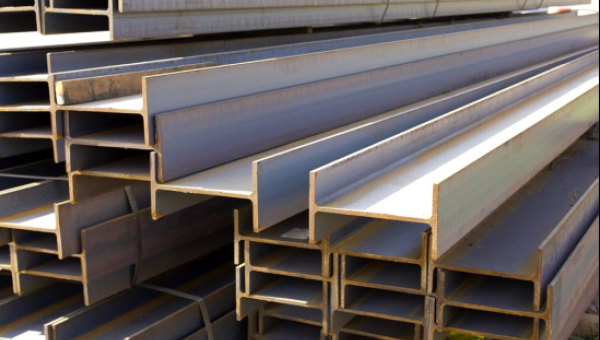
The American Fuel & Petrochemical Manufacturers (AFPM) has expressed concern about the impact that steel and aluminum tariffs would have on prices at the pump, infrastructure investment and jobs.
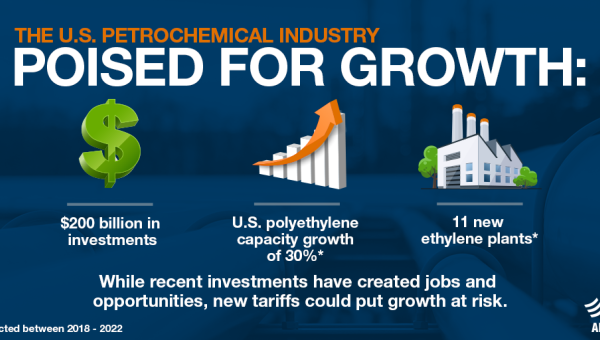
One of America’s major strengths when it comes to the economy and global trade is our petrochemical industry, which produces the building blocks used in manufacturing supply chains across the globe.
Hydraulic fracturing, or fracking, has falsely been assigned a bad stigma. But this drilling technique to collect oil and natural gas has some extremely positive effects. Here are four results of...
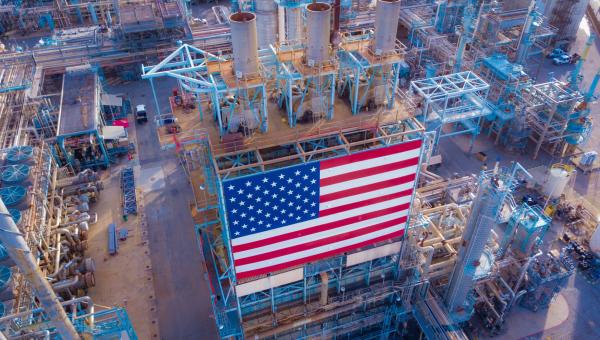
U.S. refineries are the most complex in the world, allowing them to extract more value out of each barrel of oil than any other refining system globally. This competitive edge is made possible by access to global markets.
The United States is the now largest producer of crude oil and has the largest, most complex and most efficient refining industry in the world. Yet two of our most important oil trading partners are those that share our borders: Canada and Mexico.
A nationwide 95 RON octane standard for vehicles can deliver major carbon reductions in the nation’s light-duty auto fleet faster and at a lower cost than any other proposal being considered by policymakers right now, especially policies seeking to force nationwide vehicle electrification.
Governmental and public interest in carbon capture, utilization and storage (CCUS) is on the rise. Federal officials, labor unions and experts – including the International Energy Agency – have all identified CCUS as critical to achieving significant near-term reductions in greenhouse gas emissions.
WASHINGTON, D.C. – Members in the House and Senate, led by Sen. John Cornyn and Rep. Vicente Gonzalez, sent a letter this week to President Trump urging him to address issues of unfair market access for U.S. energy companies doing business in Mexico. Chet Thompson, President and CEO of AFPM, echoed these calls with the following statement.
AFPM President and CEO Chet Thompson and API President and CEO Mike Sommers sent a letter to President Biden responding to recent letters the Administration sent to major U.S. fuel refiners suggesting that these companies, their workforces and facilities throughout the country aren’t doing their part to bring fuel to the market and lower energy costs for consumers.