Athletes gathering for the winter Paralympics in South Korea this month are remarkable examples of how people overcome challenges – and new technologies are increasingly helping these impressive athletes push their limits by doing more, going faster or going farther.
Much of the focus within the Renewable Fuel Standard is on corn ethanol and the 15-billion-gallon conventional biofuel mandate. But less critically examined in this policy administered by the Environmental Protection Agency is the mandate for advanced biofuels, including biodiesel.
Since the Renewable Fuel Standard (RFS) was enacted, the Environmental Protection Agency (EPA) has had the difficult responsibility of implementing a broken and unworkable biofuel blending program.
The biofuel lobby has made a number of claims to muddy the waters around the Renewable Fuel Standard (RFS) and halt progress on better aligning vehicle and transportation fuel policies.
Every day, AFPM members make products that improve our lives and contribute to human progress — including fuels like gasoline, diesel and jet fuel that facilitate access to vital health services, and petrochemicals used as building blocks to create healthcare equipment, devices and technologies.
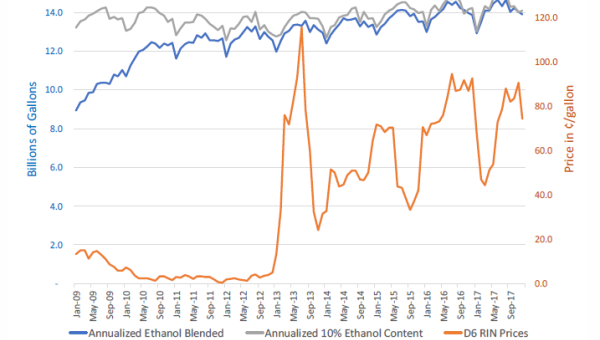
There is a fundamental flaw in the system designed to ensure compliance with the Renewable Fuel Standard (RFS): The assumption that refiners would not blend ethanol into their fuel were it not for the policy and its threat of crippling costs being imposed on obligated parties who do not blend.
During a recent visit to Iowa — smack in the middle of corn country — the President announced a policy change that would direct the Environmental Protection Agency (EPA) to waive Clean Air Act rules and permit the year-round sale of E15 (gasoline with 15-percent ethanol).