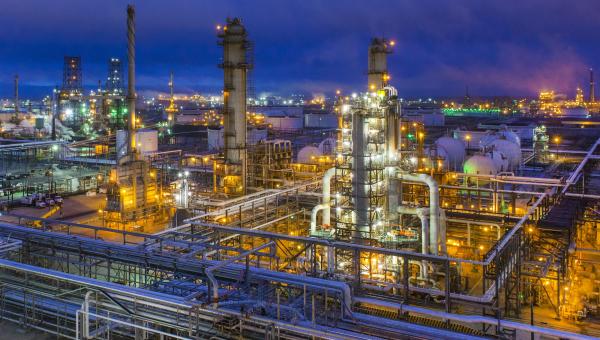
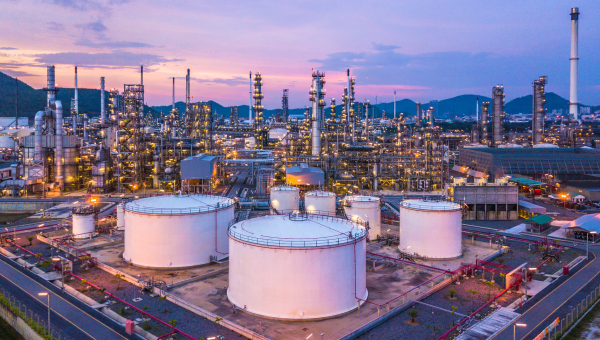
Every day, AFPM members make products that improve our lives and contribute to human progress — including fuels like gasoline, diesel and jet fuel that facilitate access to vital health services, and petrochemicals used as building blocks to create healthcare equipment, devices and technologies.
As Hurricane Florence approached the East Coast this week, nearly two million residents throughout the Carolinas, Maryland and Virginia were placed under evacuation watch.
Today is #NationalGetOverItDay. The day to get over any minor (or major) gripes that are draining your energy, time, and/or equilibrium. And as usual, petrochemicals can help. Some of the best...
The cost of Renewable Fuel Standard (RFS) compliance credits, specifically D6 renewable identification numbers (RINs), is out of control. Sales of D6 RINs for conventional ethanol recently registered above $1.90 (the highest trades in history).
Refineries are not the story when it comes to retail gasoline prices. Raw materials (in this case crude oil) account for the biggest share of the final price consumers pay.
Right now, members of Congress are debating a series of taxes as part of the multi-trillion-dollar reconciliation package that could make the crude oil that runs through U.S. refineries more expensive.
COVID-19 upended energy markets. Demand disappeared and producers scaled back. Now that economies are reopening, and the demand for goods and services is rebounding, the demand for energy all along the supply chain is increasing, driving up not only the cost of the feedstocks and fuels refineries and petrochemical manufacturers use, but also the cost of the energy used at every step of the supply chain.
Dramatic predictions and commentaries about the potential impact of the COVID-19 pandemic on the future of the fuel and petrochemical industries have made headlines.