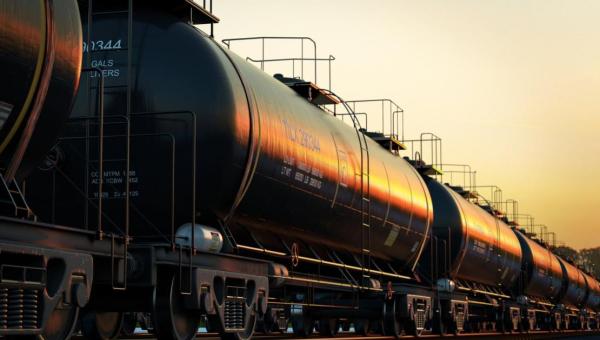
Transportation safety is a shared responsibility and a range of stakeholders play a part, including rail shippers, rail workers, the railroads (or rail carriers) and well-prepared emergency responders. AFPM members, as shippers, control the tank cars and rail cars we own up to the point when we hand them over to the railroads.
In a tight refined product market it has been U.S. refiners that have stepped up. Our industry ran full-out for most of 2022 making sure American consumers, our domestic economic centers and our allies had enough gasoline, diesel and jet fuel to keep everyone moving. Our refining sector leads the world in liquid fuel production and is effectively doing more than any other to bring better balance to the global market.
AFPM Senior Director of Fuels & Vehicle Policy Patrick Kelly today issued the following statement on EPA's announcement that it will grant requests from eight Midwestern states to remove the 1.0 psi RVP waiver from summertime gasoline effective next year. If implemented, these states will no longer be able to sell the current blend of summertime gasoline and a new grade of gasoline will need to be manufactured and supplied to the region.
WASHINGTON, D.C. — American Fuel & Petrochemical Manufacturers (AFPM) today issued the following statement from Rob Benedict, AFPM Vice President of Petrochemicals & Midstream, commending the U.S. Surface Transportation Board (STB) on its unanimous decision to amend the emergency service regulations for freight rail. The final rule, finalized Wednesday, streamlines the process for rail shippers to request and receive emergency relief when faced with severe deteriorations in rail service.
WASHINGTON, D.C. — The American Fuel & Petrochemical Manufacturers (AFPM), the American Chemistry Council (ACC) and the Plastics Industry Association (PLASTICS) released the following statement on the General Services Administration’s (GSA) final rule calling for the reduction of single-use plastic packaging on federally supplied or purchased products.
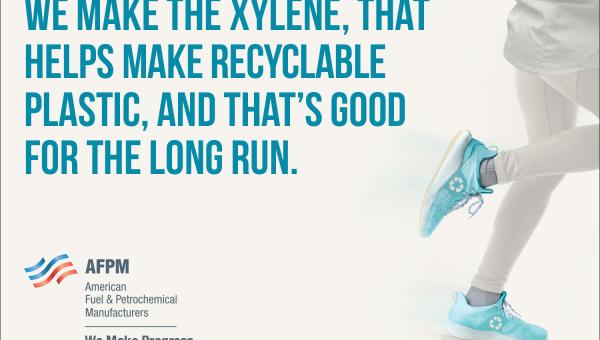
As petrochemicals and recycling advancements give old plastic new life over and over again—from shoes and clothes made of recycled plastic recovered from the ocean, to plastic bottles being chemically recycled into fuel and a raw material to make new petrochemicals—what it means to “recycle” is changing right before our eyes.
Plastic roads and buildings, the influence of energy and petrochemicals in geopolitics, and chemical and molecular recycling processes that could create a truly circular economy for plastic products were just a few of the topics discussed at AFPM’s 44th International Petrochemical Conference (IPC) in San Antonio last week.
WASHINGTON, D.C. – The American Fuel & Petrochemical Manufacturers (AFPM) supports President Trump’s Executive Orders that will create clear pathways for the permitting process and support energy infrastructure development.
U.S. refiners and petrochemical manufacturers were encouraged on April 10 when President Trump signed an executive order that will better clarify the roles of federal and state agencies in permitting decisions for energy infrastructure, including oil and natural gas pipelines.