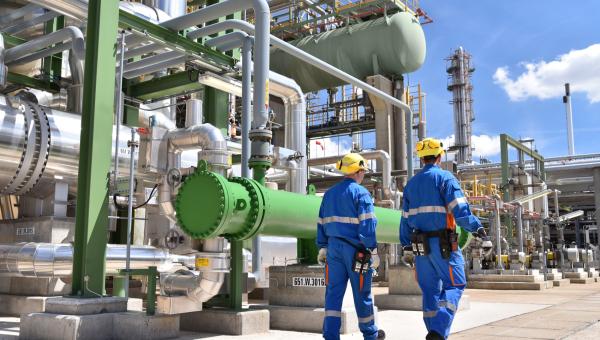
Before the pandemic hit, the nation’s manufacturing sector — including the refining and petrochemical industries — was wrestling with how to find and train enough young people to replace the wave of Baby Boomers retiring from the workforce at a rate of nearly 6,000 per day.
For more than 100 years, the women and men of our industries have answered the call to serve when our country needed them. Through war, economic shocks, and natural disasters, refiners and petrochemical manufacturers have helped build new industries, grow our economy and fuel progress.
American manufacturing has seen its fair share of challenges in what has been a transformational year economically, thanks in part to a protracted trade war and the global pandemic.
The fuel and petrochemical industries employ highly trained, talented people who produce the fuels, feedstocks and products that are critical to the well-being of our economy and country. Supporting...
Apparently, the #NoDAPL protest, which started as “something that was beautiful,” has devolved into a morass “where it’s ugly, where people are fabricating lies and doing whatever they can, and they’re driven by the wrong thing.”
The Line 5 pipeline plays a critical role in ensuring the United States and Canada continue to have access to affordable fuels, propane and other refined products. Union, political and business leaders on both sides of the border are emphasizing the critical role of the Line 5 pipeline and calling for it to remain open until its replacement can be completed:
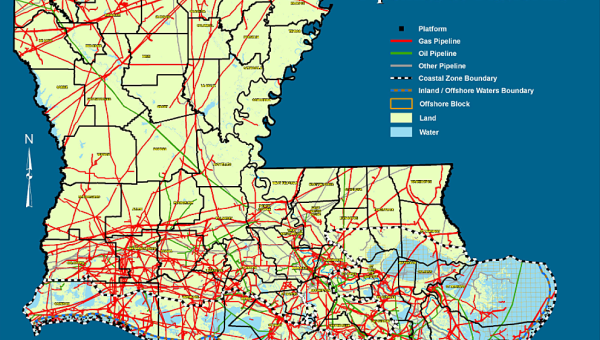
OK, all you anti-pipeline activists, it’s time for a pop quiz: Can you identify on the map below where the proposed Bayou Bridge pipeline will be built? How about if we narrow it down to a map of just...
America’s refining and petrochemical community employs and supports over three million people, hiring individuals from all education levels to fill a wide range of positions (such as welders, electricians, chemists, and engineers).
In 2015, after years of building a collection of over 600 pipeline real-world “test specimens” to be used for advanced pipeline safety research, the Pipeline Research Council International (PRCI) opened the Technology Development Center (TDC) in Houston, Texas.