AFPM opposes the Inflation Reduction Act as written. We evaluated the bill against our core principles, specifically whether the legislation would support strong U.S. refining and petrochemical industries and whether it pursued emissions reductions in a market-based and cost-effective manner. Unfortunately, the IRA falls short of these goals.
EPA’s existing Risk Management Plan (RMP) is doing what it was designed to do: drive continual safety improvements across workplaces to keep industry employees, contractors, facility neighbors and local environments safe. Any changes to a regulation as effective as the RMP need to be solidly evidence-based. Unfortunately, today’s proposal is filled with costly and misinformed changes, with little-to-no data to back them up. In fact, many of the proposed changes will adversely impact the safety and security missions of refining and petrochemical sites. AFPM looks forward to providing detailed comments on this proposal.
Because of the extensive safety and mitigation steps refiners take wherever hydrofluoric acid (HF) alkylation is concerned, the risks from this process pale in comparison to those we assume every day when we engage in routine activities like riding a bike, driving a car and playing with pets.
SPR releases cannot be the center of this Administration’s strategy to confront inflation and high energy prices. At best, SPR releases are a short-term fix, they are not a solution. Stability and certainty is what global crude oil markets crave.
Boyd Stephenson, senior vice president of government affairs and counsel at the National Tank Truck Carriers (NTTC), joins the podcast to discuss the trucking industry and US highway infrastructure.
AFPM President and CEO Chet Thompson this week submitted comments to leaders of the House Transportation & Infrastructure Committee after the Committee’s inaugural hearing on the state of U.S. transportation infrastructure and supply chains failed to include customer perspectives.
H.R. 1 is an investment in U.S. energy security. Fuel and petrochemical manufacturers, and the energy infrastructure companies that make it possible to get our feedstocks and products from point A to point B, welcome the additional clarity and regulatory certainty this legislation will provide.
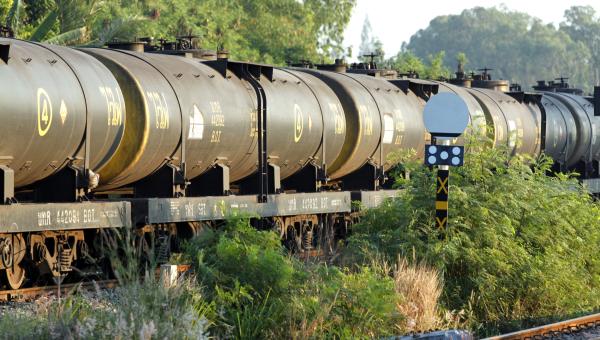
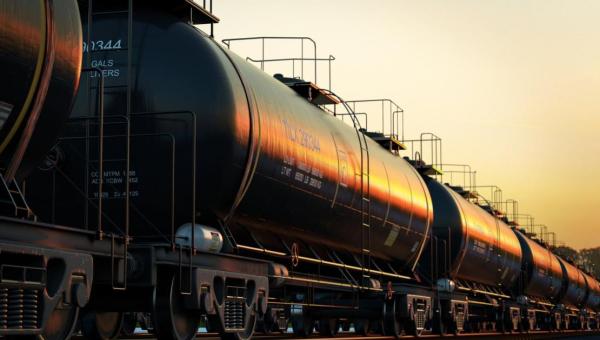
WASHINGTON, D.C – American Fuel & Petrochemical Manufacturers (AFPM) yesterday filed comments with the Surface Transportation Board (STB) in response to their proposed rule that would require railroads to report service metrics and require the use of reciprocal switching agreements to address insufficient rail service.
Today, Rob Benedict, AFPM Vice President of Petrochemicals and Midstream, issued the following statement in response to a unanimous proposal from the U.S. Surface Transportation Board that would allow for reciprocal switching within the U.S. freight rail system in order to address inadequate service.
The American Fuel & Petrochemical Manufacturers (AFPM) today released a new video highlighting the safety approach and measures used by U.S. refineries with hydrofluoric acid (HF) alkylation units.