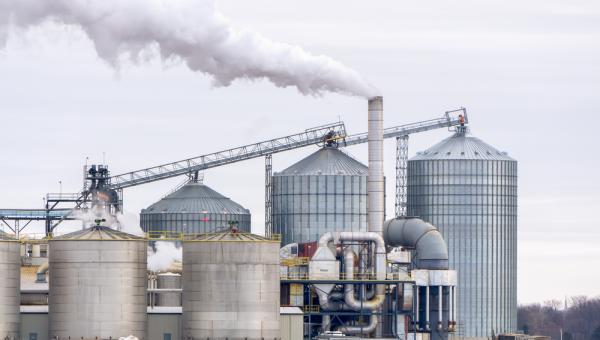
Eight midwestern governors have petitioned the EPA seeking to opt their states out of the federal 1-pound Reid Vapor Pressure (RVP) waiver which is a requirement to sell the current summertime blend of E10 gasoline. If these requests are granted, the E10 gasoline currently sold in most of the country during summer months will no longer be offered for sale in these states and annual costs to introduce a new gasoline bend will range from $500-$800 million each year.
In a tight refined product market it has been U.S. refiners that have stepped up. Our industry ran full-out for most of 2022 making sure American consumers, our domestic economic centers and our allies had enough gasoline, diesel and jet fuel to keep everyone moving. Our refining sector leads the world in liquid fuel production and is effectively doing more than any other to bring better balance to the global market.
When Congress created the Renewable Fuel Standard, the intent was clear. The RFS was supposed to build a market for American-grown biofuels and support domestic energy security. Today, EPA wants to deviate wildly from this course. Instead of maintaining the RFS as a program for liquid transportation biofuels, EPA’s RFS proposal for 2023 to 2025 would begin transforming the RFS into yet another huge government subsidy for electric vehicles.
AFPM Senior Director of Fuels & Vehicle Policy Patrick Kelly today issued the following statement on EPA's announcement that it will grant requests from eight Midwestern states to remove the 1.0 psi RVP waiver from summertime gasoline effective next year. If implemented, these states will no longer be able to sell the current blend of summertime gasoline and a new grade of gasoline will need to be manufactured and supplied to the region.
WASHINGTON, D.C. — American Fuel & Petrochemical Manufacturers (AFPM) President and CEO Chet Thompson issued the following statement on the inauguration of the 47th President of the United States and the opportunity to advance policies that deliver for American energy manufacturers and consumers:
Unpredictable costs associated with Renewable Fuel Standard (RFS) compliance are a reality for refiners in the United States, and debates about small refinery exemptions (SREs) must remain honest and grounded in data.
U.S. refining capacity increased to more than 18.8 million barrels per day as of January 1, 2019, the highest capacity on record, according to a new report issued by the Energy Information Administration.
Nine U.S. senators today called on the administration to uphold the law and ensure that qualified small refineries continue to have protection from disproportionate economic hardship brought on by the Renewable Fuel Standard (RFS).
In recent weeks, ethanol industry proponents have petitioned the Environmental Protection Agency (EPA) to cease issuing Small Refinery Exemptions (SREs) that waive qualified small refineries from the costly biofuel blending obligations mandated in the Renewable Fuel Standard (RFS).
Today, AFPM launched an advertising campaign asking President Trump to keep his promise to protect U.S. refiners from unchecked ethanol mandates that threaten to kill our jobs.