WASHINGTON, D.C. – The American Fuel & Petrochemical Manufacturers (AFPM) applauds the House Energy & Commerce Committee for passing H.R. 4775, the “Ozone Implementation Act of 2016” and urges the House of Representatives to take further action on this critical piece of legislation.
AFPM opposes the Inflation Reduction Act as written. We evaluated the bill against our core principles, specifically whether the legislation would support strong U.S. refining and petrochemical industries and whether it pursued emissions reductions in a market-based and cost-effective manner. Unfortunately, the IRA falls short of these goals.
The House of Representatives will soon vote on three pieces of legislation to rein in the federal Environmental Protection Agency (EPA) from (1) imposing and enabling de facto bans on new cars and trucks that run on liquid fuels and (2) from radically transforming the Renewable Fuel Standard (RFS) into a new nine-figure-government subsidy program for electric vehicles (EVs).
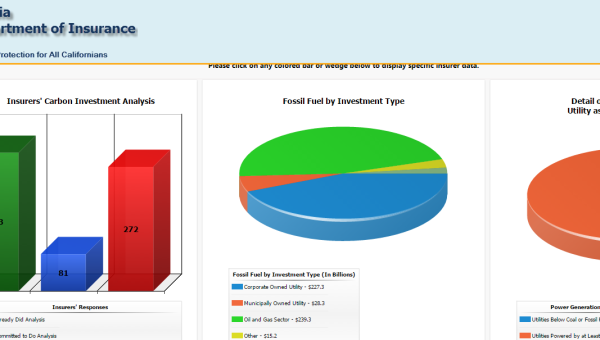
Last week, California Insurance Commissioner Dave Jones launched the latest salvo in his relentless crusade to coerce the nation’s leading insurance companies to divest from oil and natural gas company holdings.
One key component called for in nearly every recipe for clean, low-sulfur gasoline is alkylate. Alkylate is high in octane, low in sulfur and has zero aromatics which all help to lower vehicle emissions and tailpipe pollution.
“Just as we were proud to testify in support of these bills last month, AFPM is proud to support the legislation being marked up today...As members review these bills carefully, appreciating exactly what they do and do not do, the choice to support them should be obvious, especially for those with fuel and petrochemical manufacturing facilities in their districts.” – Chet Thompson, AFPM President & CEO
WASHINGTON, D.C. — American Fuel & Petrochemical Manufacturers (AFPM) President and CEO Chet Thompson issued the following statement on the Trump administration’s proposed revised 2027-2031 Corporate Average Fuel Economy (CAFE) Standards.
Chet Thompson, President and CEO of the American Fuel & Petrochemical Manufacturers (AFPM), issued the following statement on the Environmental Protection Agency’s proposed rule regarding modifying the interpretation of Clean Air Act Section 211(h)(4) to extend the E10 volatility waiver to E15, on which AFPM today submitted comments.
AFPM supports the continuous drive to make our U.S. transportation fleet more fuel efficient. In fact, we see the fuel refining and petrochemical industries as critical partners in this effort.
The California Air Resources Board (CARB) adopted its Advanced Clean Cars II (ACCII) regulation. ACCII requires 35% of light-duty vehicle sales to qualify as “zero emission” by 2026 and 100% by 2035. Essentially, this amounts to a ban on new sales of traditional gasoline and diesel-powered cars and trucks. To implement the policy, California will need a Clean Air Act waiver from the Environmental Protection Agency (EPA). If EPA grants the waiver, millions of Americans—including many outside of California—could lose the option to buy the car or truck THEY want.