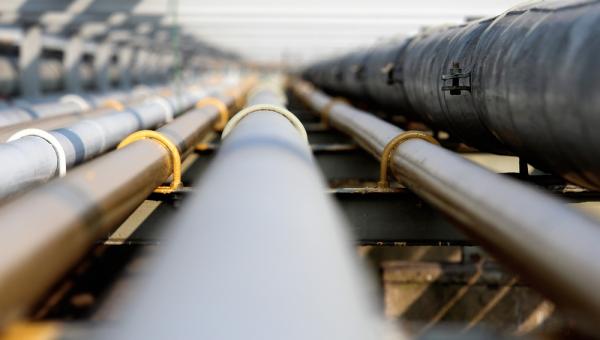
COVID-19 upended energy markets. Demand disappeared and producers scaled back. Now that economies are reopening, and the demand for goods and services is rebounding, the demand for energy all along the supply chain is increasing, driving up not only the cost of the feedstocks and fuels refineries and petrochemical manufacturers use, but also the cost of the energy used at every step of the supply chain.
AFPM recently submitted comments to EPA in support of the Renewable Fuel Standard (RFS) general waiver petitions submitted by the governors of Louisiana, Texas, Oklahoma, Utah, Wyoming, and Pennsylvania.
One key component called for in nearly every recipe for clean, low-sulfur gasoline is alkylate. Alkylate is high in octane, low in sulfur and has zero aromatics which all help to lower vehicle emissions and tailpipe pollution.
AFPM opposes the Inflation Reduction Act as written. We evaluated the bill against our core principles, specifically whether the legislation would support strong U.S. refining and petrochemical industries and whether it pursued emissions reductions in a market-based and cost-effective manner. Unfortunately, the IRA falls short of these goals.
AFPM asked collegiate teams to create an original video highlighting the career opportunities within the fuel refining and petrochemical manufacturers industries in addition to showing the benefits our industries provide to everyday lives.
WASHINGTON, D.C. - Statement from Chet Thompson, President and CEO of the American Fuel & Petrochemical Manufacturers (AFPM) in response to the EPA’s proposed RVOs for 2019
U.S. refining capacity increased to more than 18.8 million barrels per day as of January 1, 2019, the highest capacity on record, according to a new report issued by the Energy Information Administration.
WASHINGTON, D.C. – The American Fuel & Petrochemical Manufacturers (AFPM) supports President Trump’s Executive Orders that will create clear pathways for the permitting process and support energy infrastructure development.
BAYTOWN, TEXAS – A decade ago, when Mike Zamora ran ExxonMobil’s Baytown petrochemical plant, his vision to expand the facility and boost its capacity was nothing but a pipe dream.