New analysis has found that a Senate plan to extend the federal electric vehicle (EV) tax credit would cost taxpayers as much as $16 billion over the next decade, money that in recent years has largely gone toward the purchase of luxury electric vehicles.
WASHINGTON, D.C. — The American Fuel & Petrochemical Manufacturers (AFPM) is proud to announce the winners of the 2023 Annual Safety Awards, considered the refining and petrochemical industries’ premier safety awards. They are part of a comprehensive program developed by the AFPM Safety and Health Committee to promote safe operations in our industries and recognize facilities that have outstanding occupational and process safety performance.
WASHINGTON, D.C. — The American Fuel & Petrochemical Manufacturers (AFPM) proudly recognizes the winners of the 2024 Annual Safety Awards—widely regarded as the premier safety honors in the refining and petrochemical industries. These awards are a cornerstone of AFPM's comprehensive safety program, developed by the Safety and Health Committee to advance good practices, ensure safe operations, and highlight facilities that demonstrate exceptional occupational and process safety performance.
Safety is the top priority for the refining and petrochemical industries. AFPM’s members are committed to maintaining strong safety records while continuously improving performance to protect their people, communities and the environment.
AAA expects roughly 45 million travelers to head out of town and go at least 50 miles from home over the upcoming Memorial Day weekend, breaking a 20-year travel record in the process. The vast majority of these travelers—nearly 90%—are likely to be road warriors, driving cars and trucks fueled by American-made gasoline.
Hurricane season is coming — beginning June 1 and lasting through the end of November — and with it comes unpredictable storms and heightened risks. With forecasts predicting up to 19 named storms and 10 hurricanes — the refining and petrochemical industries are prepared.
Members of the upstream segment explore for and extract crude oil, natural gas and natural gas liquids (NGLs). Crude oil and NGLs are used as feedstocks to produce fuels and petrochemicals, and in some cases directly as sources of energy and natural gas is used as a source of energy.
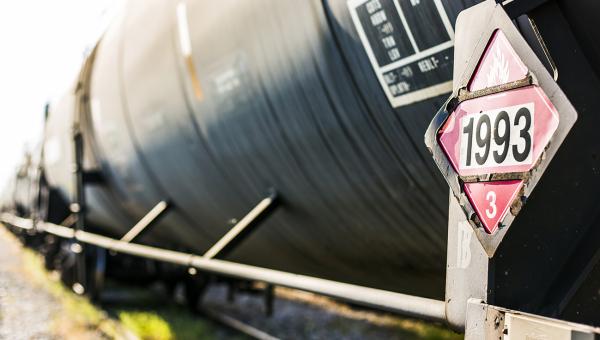
The midstream segment moves and stores feedstocks and finished products — including fuels, natural gas, natural gas liquids and petrochemical products — using an integrated system of pipelines, ports and waterways, railroads, roadways and storage facilities.
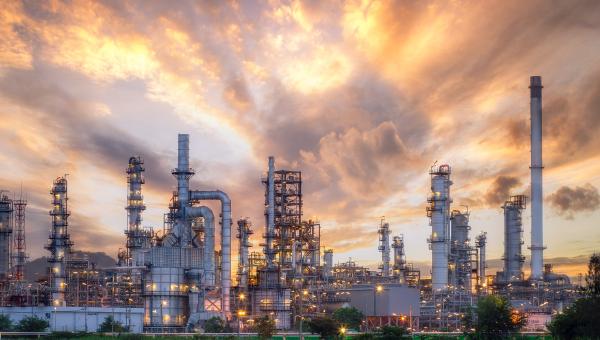
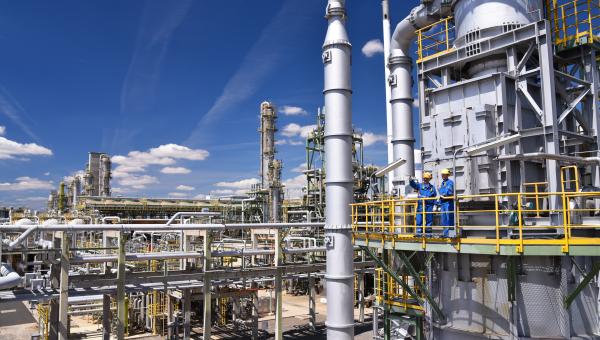
The downstream segment encompasses refineries and petrochemical manufacturing facilities that process crude oil and natural gas liquids into finished products. There are 131 operable refineries in the United States that manufacture essential energy products, including gasoline, diesel and jet fuel.