By an act of Congress and with the stroke of a pen, the Federal Aviation Administration’s (FAA) programs will continue to receive funding for the next 14 months.
The temporary enforcement policy announced by the Environmental Protection Agency (EPA) triggered criticism about some in the oil and gas industry getting a “license to pollute” during a public health emergency.
Decarbonizing heavy trucks and airplanes, which will continue to rely on liquid fuels for the foreseeable future, once seemed a distant dream. That is changing thanks to innovation and investment from America’s fuel refiners, which are manufacturing renewable diesel and sustainable aviation fuels that cut carbon emissions by as much as 80 percent.
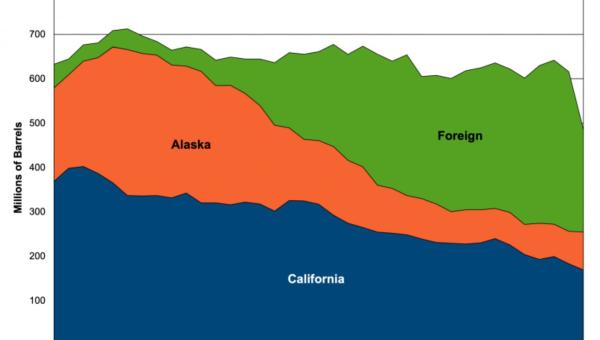
Limiting California’s access to the exact types of crude oil its facilities need will only increase prices for the state’s consumers and travelers. Drivers are already dealing with gasoline prices in excess of $5 per gallon and the highest fuel taxes of the 50 states. Confining energy producers and consumers to a smaller pool of crude oil will make a very sensitive price environment that much worse.
As the days grow longer and the mercury rises, boating season gets into full swing. For the next several months, sportsman, families, and boating enthusiasts alike will hit the water to cool off and enjoy all that boating has to offer.
A recent opinion piece in the Washington Examiner, A higher ethanol blend should be your choice, not the government’s was a fascinating display of hypocrisy.
It’s been two and a half years since Congress granted the Department of Homeland Security’s Chemical Facility Anti-Terrorism Standards (CFATS) program long-term authorization.
The unprecedented disaster wrought by Hurricane Harvey has the safety of friends, family, colleagues and communities along the Gulf Coast weighing heavy on our minds and hearts.
Fuel supply restrictions resulting from hurricanes and other natural disasters, often lead to price increases as the market reacts to rebalance supply and demand. To protect consumers, many states have enacted price gouging laws that limit a merchant’s ability to raise prices during an emergency.