How effective are warning labels? Research over the years has generally shown these labels to be broadly ineffective - and it appears this is also true for consumers at the pump, according to a recent survey from the Outdoor Power Equipment Institute (OPEI).
If you happen to be in Washington, D.C. between April 14 and April 26, you should take a walk to the National Mall to check out two presidential gems from our automotive past: President William Taft’s...
The operator of an 800-ton crane at ExxonMobil’s Baton Rouge, Louisiana, polypropylene project construction site lowers a new 150-foot-tall reactor into place.
We enter the official 2020 hurricane season in June with a full appreciation that this year brings additional challenges as our nation continues a fight against a different yet deadly type of storm.
Decarbonizing heavy trucks and airplanes, which will continue to rely on liquid fuels for the foreseeable future, once seemed a distant dream. That is changing thanks to innovation and investment from America’s fuel refiners, which are manufacturing renewable diesel and sustainable aviation fuels that cut carbon emissions by as much as 80 percent.
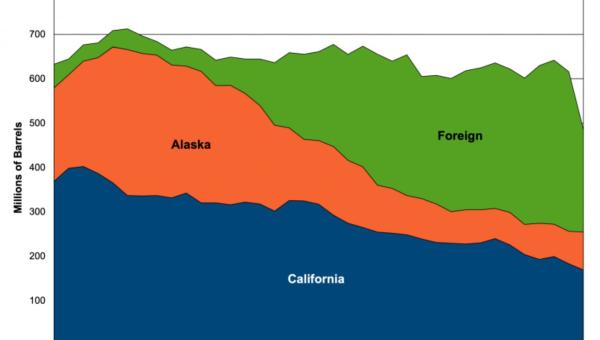
Limiting California’s access to the exact types of crude oil its facilities need will only increase prices for the state’s consumers and travelers. Drivers are already dealing with gasoline prices in excess of $5 per gallon and the highest fuel taxes of the 50 states. Confining energy producers and consumers to a smaller pool of crude oil will make a very sensitive price environment that much worse.