AFPM President and CEO Chet Thompson testified before a House Energy & Commerce subcommittee on legislation aimed at preserving U.S. energy security and Americans’ ability to purchase the fuels and vehicles of their choosing while continuing to move the transportation sector in a more efficient and less carbon intensive direction.
California has officially asked the Biden administration for permission to ban the sale of new gasoline and diesel vehicles by 2035—an unprecedented move that will deny millions of Americans the ability to choose for themselves the types of cars or trucks they want to drive. The decision is entirely up to President Biden...
Eight midwestern governors have petitioned the EPA seeking to opt their states out of the federal 1-pound Reid Vapor Pressure (RVP) waiver which is a requirement to sell the current summertime blend of E10 gasoline. If these requests are granted, the E10 gasoline currently sold in most of the country during summer months will no longer be offered for sale in these states and annual costs to introduce a new gasoline bend will range from $500-$800 million each year.
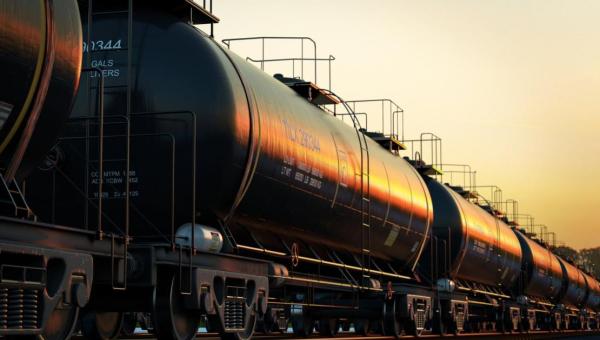
Transportation safety is a shared responsibility and a range of stakeholders play a part, including rail shippers, rail workers, the railroads (or rail carriers) and well-prepared emergency responders. AFPM members, as shippers, control the tank cars and rail cars we own up to the point when we hand them over to the railroads.
AFPM President & CEO Chet Thompson was a guest on a recent broadcast of “The Labor & Energy Show”, which airs up and down the Mid-Atlantic coast. Also joining as guests this episode were Kathleen...
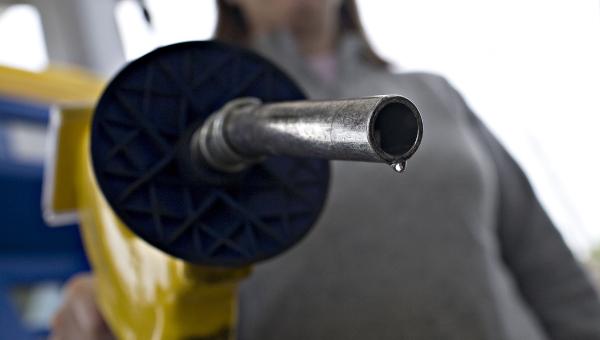
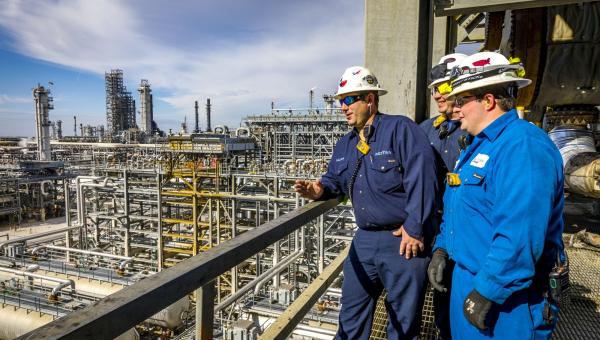
In a tight refined product market it has been U.S. refiners that have stepped up. Our industry ran full-out for most of 2022 making sure American consumers, our domestic economic centers and our allies had enough gasoline, diesel and jet fuel to keep everyone moving. Our refining sector leads the world in liquid fuel production and is effectively doing more than any other to bring better balance to the global market.
When Congress created the Renewable Fuel Standard, the intent was clear. The RFS was supposed to build a market for American-grown biofuels and support domestic energy security. Today, EPA wants to deviate wildly from this course. Instead of maintaining the RFS as a program for liquid transportation biofuels, EPA’s RFS proposal for 2023 to 2025 would begin transforming the RFS into yet another huge government subsidy for electric vehicles.
AFPM Senior Director of Fuels & Vehicle Policy Patrick Kelly today issued the following statement on EPA's announcement that it will grant requests from eight Midwestern states to remove the 1.0 psi RVP waiver from summertime gasoline effective next year. If implemented, these states will no longer be able to sell the current blend of summertime gasoline and a new grade of gasoline will need to be manufactured and supplied to the region.
WASHINGTON, D.C. — American Fuel & Petrochemical Manufacturers (AFPM) today issued the following statement from Rob Benedict, AFPM Vice President of Petrochemicals & Midstream, commending the U.S. Surface Transportation Board (STB) on its unanimous decision to amend the emergency service regulations for freight rail. The final rule, finalized Wednesday, streamlines the process for rail shippers to request and receive emergency relief when faced with severe deteriorations in rail service.