The Line 5 pipeline plays a critical role in ensuring the United States and Canada continue to have access to affordable fuels, propane and other refined products. Union, political and business leaders on both sides of the border are emphasizing the critical role of the Line 5 pipeline and calling for it to remain open until its replacement can be completed:
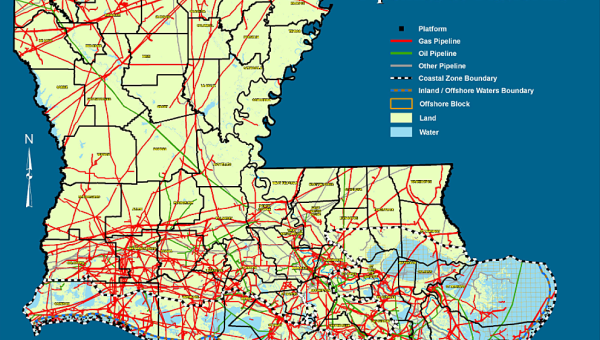
OK, all you anti-pipeline activists, it’s time for a pop quiz: Can you identify on the map below where the proposed Bayou Bridge pipeline will be built? How about if we narrow it down to a map of just...
WASHINGTON, D.C. – "Federal policy is discouraging supply by shutting down pipelines, putting future production off limits, talking down the future of the petroleum business, and imposing expensive requirements on refineries, chief among them a burdensome Renewable Fuel Standard. The Administration is blaming others when it ought to take a sober look at its own energy policy."
In 2015, after years of building a collection of over 600 pipeline real-world “test specimens” to be used for advanced pipeline safety research, the Pipeline Research Council International (PRCI) opened the Technology Development Center (TDC) in Houston, Texas.
Statement from Chet Thompson: A plain reading of the RFS makes clear that Congress intended for the small refinery hardship program to be a lasting safety net. There is no “use it or lose it” provision.
This week, AFPM joined API and industry associations representing fuel retailers, gasoline marketers, convenience stores and tank truck carriers to field questions from the media about the ongoing fuel distribution challenges resulting from the Colonial Pipeline shutdown.