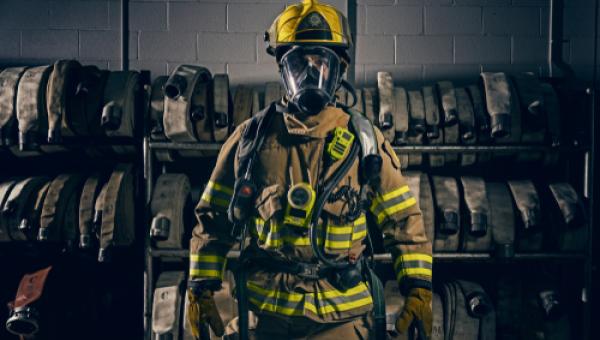
Dan’s legs – and his life – were saved, thanks to the fellow firefighters that pulled him out of danger and his personal protective equipment (PPE), also known as turnout gear, gear that’s made possible by petrochemicals.
Alongside the publication of AFPM’s new study, “The Fuel & Petrochemical Supply Chains: Moving the Fuels & Products That Power Progress,” Flash Point interviewed leaders working on U.S. midstream infrastructure issues.
In the days before stain-resistant carpets and upholstery, keeping muddy dogs and kids’ shoes off the furniture and out of the living room was a full-time job.
As research continues to yield breakthroughs in modern transportation, the evidence clearly shows that petrochemicals are integral to the future of travel.
Every day, AFPM members make products that improve our lives and contribute to human progress — including fuels like gasoline, diesel and jet fuel that facilitate access to vital health services, and petrochemicals used as building blocks to create healthcare equipment, devices and technologies.
The latest job numbers out today (Friday, September 7th) once again paint a rosy picture of the U.S. economy – 201,000 jobs were added in August, above expectations, and wages continued to increase.
AFPM has joined five other associations to call on the Governors of eight states to reject a recent plea from the Auto Alliance – the leading advocacy group for automakers – to increase subsidies and other incentives for electric vehicles (EVs) and zero-emission vehicles (ZEVs), further distorting a market that has failed to materialize despite already receiving generous handouts.
Advances in petrochemicals – which are already helping transform medical science – are creating a new, more efficient and more cost-effective way to remove salt from ocean water.