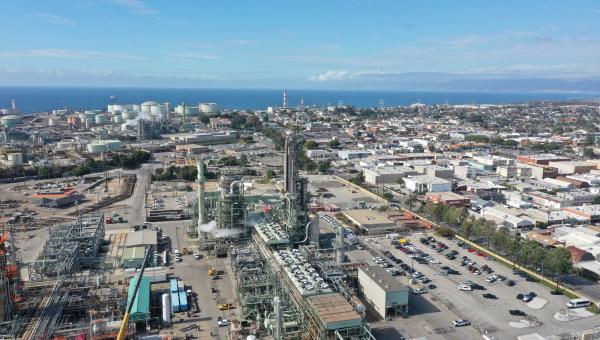
Often overlooked in the compendium of efforts toward a cleaner vehicle fleet are bold, industry-led innovations inefficient liquid fuels, vehicle designs and internal combustion engines that continue to dramatically reduce tailpipe emissions.
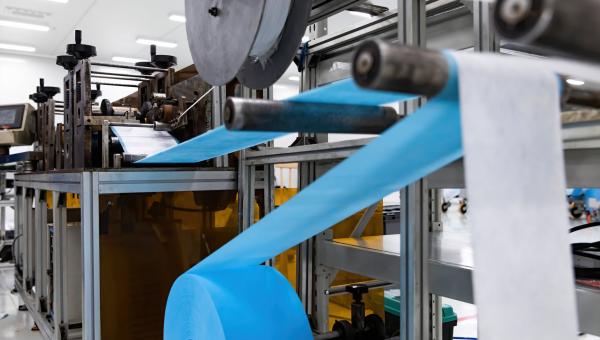
As industries with deep-running safety cultures and critical roles in product supply chains, the fuel and petrochemical industries are uniquely positioned to share vital products with some of those most in need during the COVID-19 pandemic.
AFPM Senior Petrochemical Advisor Jim Cooper talks about the central role of petrochemicals in health care, and why the petrochemical industry is considered critical infrastructure.
WASHINGTON, D.C. – “AFPM joins other industry groups and the Clean Air Scientific Advisory Committee in support of the EPA’s proposal to retain current health and environment air quality standards.
AFPM Senior Petrochemical Advisor Jim Cooper answered a few questions to help illuminate some of the ways that petrochemicals—and the industries that produce them—are working to protect people from the coronavirus.
Decarbonizing heavy trucks and airplanes, which will continue to rely on liquid fuels for the foreseeable future, once seemed a distant dream. That is changing thanks to innovation and investment from America’s fuel refiners, which are manufacturing renewable diesel and sustainable aviation fuels that cut carbon emissions by as much as 80 percent.
As the days grow longer and the mercury rises, boating season gets into full swing. For the next several months, sportsman, families, and boating enthusiasts alike will hit the water to cool off and enjoy all that boating has to offer.