As we approach the 2022 hurricane season, experts are predicting yet another severe year, with some saying it will compare to last year. No one knows how accurate these predictions will be, but we can...
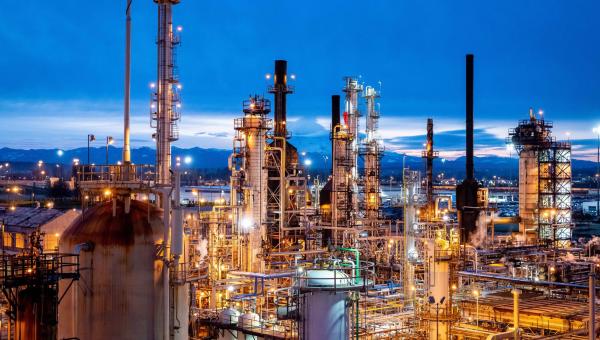
The United States has the most complex and efficient refining industry in the world, but we also have less refining capacity than we used to. Where the issue of refining capacity is concerned, it’s important to understand what refining capacity is, why we’ve lost capacity in the United States and how policies can advance the competitiveness of our refineries in the global market.
McKinsey released a new report outlining the emissions profiles of plastic vs. non-plastic alternatives in multiple use cases. They found that in nearly every case examined, plastics are responsible for less greenhouse gas emissions throughout their lifecycle than alternative materials.
Because of the extensive safety and mitigation steps refiners take wherever hydrofluoric acid (HF) alkylation is concerned, the risks from this process pale in comparison to those we assume every day when we engage in routine activities like riding a bike, driving a car and playing with pets.
Governor Gavin Newsom continues to blame fuel refiners for California’s highest-in-the-nation fuel prices. He couldn't be more wrong. The problem and solution to much of California’s fuel price challenge can be found in Sacramento policy. Take a look to better understand the role of policy in regional price differences, why it’s inaccurate to equate “margins” or “refinery cracks” with “profits,” and why windfall profit taxes are a known policy failure.
Not only do the fuel and petrochemical industries make it possible, they’re also responsible for preserving and maintaining some of the best-known landmarks all over the world. Read on to join us for a ‘round the globe trip to some of the world’s most famous petrochemicals!
Moving the needle on plastic waste is no small feat, but petrochemical manufacturers are revolutionizing what’s possible. Advanced recycling technologies utilize advanced processes that break plastic waste all the way down to its original chemical components - expanding the types of plastics that can be recycled, and creating a higher-quality feedstock.
Eight midwestern governors have petitioned the EPA seeking to opt their states out of the federal 1-pound Reid Vapor Pressure (RVP) waiver which is a requirement to sell the current summertime blend of E10 gasoline. If these requests are granted, the E10 gasoline currently sold in most of the country during summer months will no longer be offered for sale in these states and annual costs to introduce a new gasoline bend will range from $500-$800 million each year.
Visit AFPM’s Hurricane and Weather Event Resource Center for more information on steps being taken to ensure the safety of our members’ facilities, their employees and the communities that surround them.