In 2015, after years of building a collection of over 600 pipeline real-world “test specimens” to be used for advanced pipeline safety research, the Pipeline Research Council International (PRCI) opened the Technology Development Center (TDC) in Houston, Texas.
It’s an often-overlooked fact that pipelines are the safest way to transport crude oil, natural gas liquids, petrochemicals and refined products on land.
AFPM members know that petrochemicals are invaluable to the production of countless consumer products. But many Americans may not realize how much they rely on xylene, benzene, butadiene, toluene, ethylene and propylene when they opt to spend time outside.
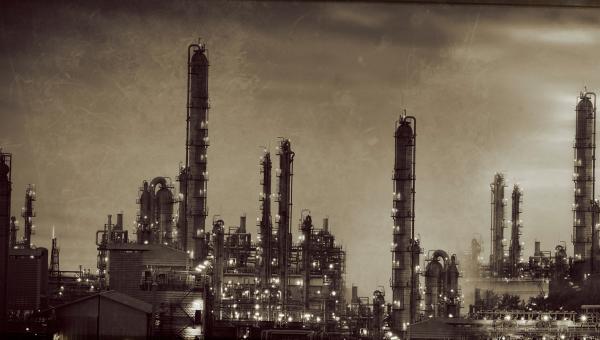
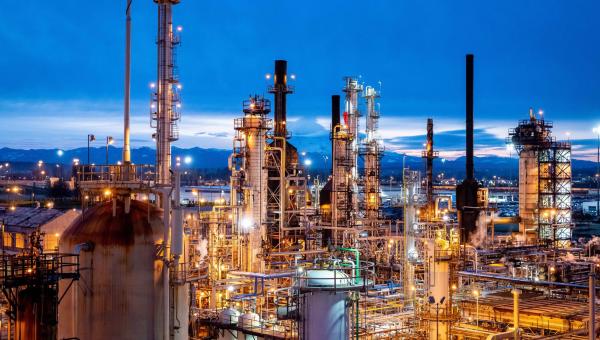
The fuel and petrochemical manufacturing industries have come a long way from the simple thermal stills used to create kerosene in the 19th century to today’s sophisticated, high-tech and complex facilities that help provide America — and the world — with the fuels, petrochemicals and products that we all rely upon every day.
AFPM President and CEO Chet Thompson and API President and CEO Mike Sommers sent a letter to President Biden responding to recent letters the Administration sent to major U.S. fuel refiners suggesting that these companies, their workforces and facilities throughout the country aren’t doing their part to bring fuel to the market and lower energy costs for consumers.
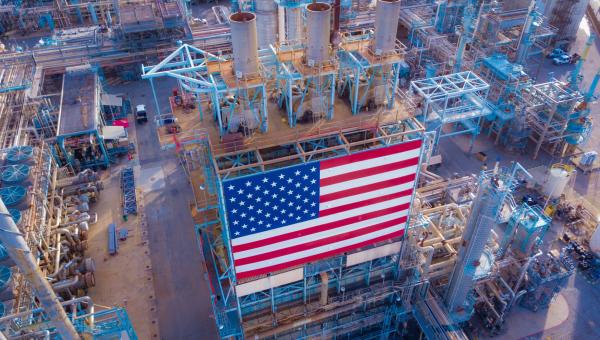
The United States has the most complex and efficient refining industry in the world, but we also have less refining capacity than we used to. Where the issue of refining capacity is concerned, it’s important to understand what refining capacity is, why we’ve lost capacity in the United States and how policies can advance the competitiveness of our refineries in the global market.
Refinery utilization, measures how much crude oil refineries are processing or “running” as a percentage of their maximum capacity. It tells us roughly how much of our refining muscle is being put to work manufacturing fuel. American refineries are running full-out, at about 95% of total capacity, contributing more fuel—gasoline, diesel, jet fuel, etc.—to the global market than any other country. In fact, U.S. refineries process more crude oil every day than the United States produces, and we make more finished fuels than the United States consumes.