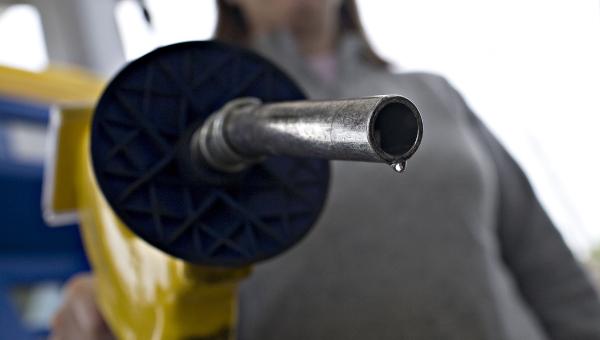
Some policymakers are rumored to be considering a ban on crude oil and/or U.S. refined product exports. This would be a mistake. Ending U.S. crude oil or refined product exports won’t help U.S. consumers by lowering prices at pump. In fact, it could make things even worse. Let’s take a closer look at how a refined product export ban would affect gasoline and diesel supplies and, thus, prices in the United States and around the world.
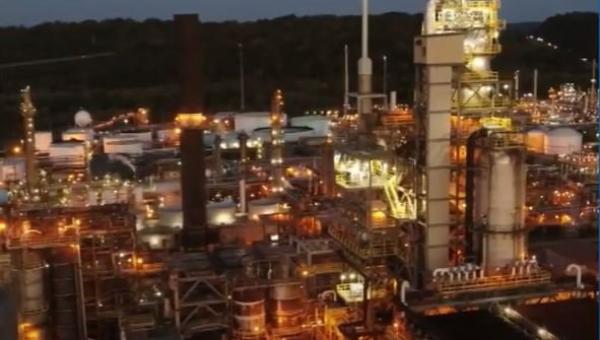
Refinery utilization, measures how much crude oil refineries are processing or “running” as a percentage of their maximum capacity. It tells us roughly how much of our refining muscle is being put to work manufacturing fuel. American refineries are running full-out, at about 95% of total capacity, contributing more fuel—gasoline, diesel, jet fuel, etc.—to the global market than any other country. In fact, U.S. refineries process more crude oil every day than the United States produces, and we make more finished fuels than the United States consumes.
The return of fuel demand to pre-pandemic levels and the slower rebound of crude oil and fuel production has created concerns about whether supplies of gasoline, diesel and jet fuel will be sufficient to meet global demand. U.S. refineries are up and running at near maximum utilization. Other major refining countries, for a variety of reasons, have not kept pace bringing their facilities back into operation or resuming sales of fuel to the market. As a result, wholesale fuel prices have increased and so have refinery “crack spreads."
McKinsey released a new report outlining the emissions profiles of plastic vs. non-plastic alternatives in multiple use cases. They found that in nearly every case examined, plastics are responsible for less greenhouse gas emissions throughout their lifecycle than alternative materials.
All eyes are on Hurricane Ian, which is expected to approach Florida’s west coast later Wednesday and into Thursday bringing high winds and massive amounts of rain. Although our nation’s refiners and petrochemical manufacturers do not have facilities in the affected region, we’d like to urge the people in the area to prepare for the storm and heed all evacuation notices. Florida residents can get critical preparedness and evacuation information here.
Because of the extensive safety and mitigation steps refiners take wherever hydrofluoric acid (HF) alkylation is concerned, the risks from this process pale in comparison to those we assume every day when we engage in routine activities like riding a bike, driving a car and playing with pets.
Not only do the fuel and petrochemical industries make it possible, they’re also responsible for preserving and maintaining some of the best-known landmarks all over the world. Read on to join us for a ‘round the globe trip to some of the world’s most famous petrochemicals!
Moving the needle on plastic waste is no small feat, but petrochemical manufacturers are revolutionizing what’s possible. Advanced recycling technologies utilize advanced processes that break plastic waste all the way down to its original chemical components - expanding the types of plastics that can be recycled, and creating a higher-quality feedstock.
Eight midwestern governors have petitioned the EPA seeking to opt their states out of the federal 1-pound Reid Vapor Pressure (RVP) waiver which is a requirement to sell the current summertime blend of E10 gasoline. If these requests are granted, the E10 gasoline currently sold in most of the country during summer months will no longer be offered for sale in these states and annual costs to introduce a new gasoline bend will range from $500-$800 million each year.