In 2015, after years of building a collection of over 600 pipeline real-world “test specimens” to be used for advanced pipeline safety research, the Pipeline Research Council International (PRCI) opened the Technology Development Center (TDC) in Houston, Texas.
It’s an often-overlooked fact that pipelines are the safest way to transport crude oil, natural gas liquids, petrochemicals and refined products on land.
AFPM members know that petrochemicals are invaluable to the production of countless consumer products. But many Americans may not realize how much they rely on xylene, benzene, butadiene, toluene, ethylene and propylene when they opt to spend time outside.
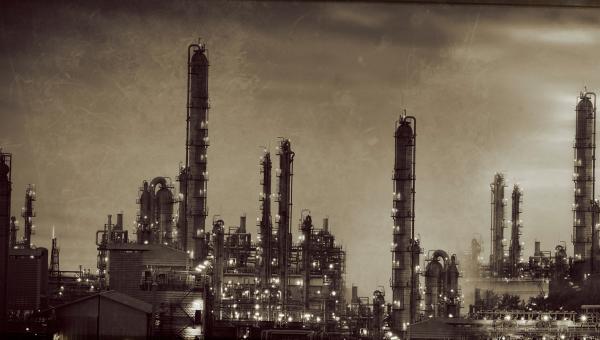
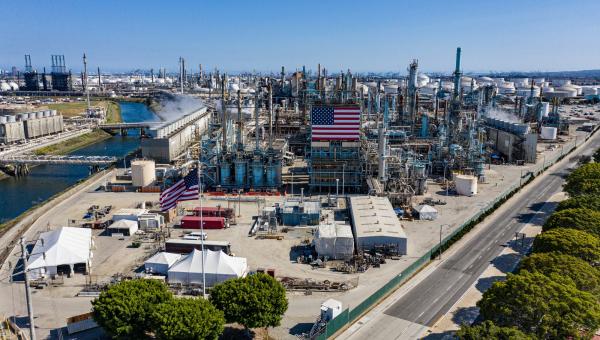
The fuel and petrochemical manufacturing industries have come a long way from the simple thermal stills used to create kerosene in the 19th century to today’s sophisticated, high-tech and complex facilities that help provide America — and the world — with the fuels, petrochemicals and products that we all rely upon every day.
WASHINGTON, D.C. – Yesterday the Federal Railroad Administration published its Rail Integrity and Track Safety Standards final rule in the Federal Register.
To address freight rail concerns, leaders from LyondellBasell and the Surface Transportation Board (STB) held discussions and toured LyondellBasell’s facility in Morris, Illinois. LyondellBasell’s Morris Complex is unique in that it is served by more than one major rail carrier. Nearly 80 percent of U.S. refineries and petrochemical facilities operate in regions served by just one freight rail provider.
We are surprised and disappointed by the President’s letter. Any suggestion that U.S. refiners are not doing our part to bring stability to the market is false. We would encourage the Administration to look inward to better understand the role their policies and hostile rhetoric have played in the current environment.