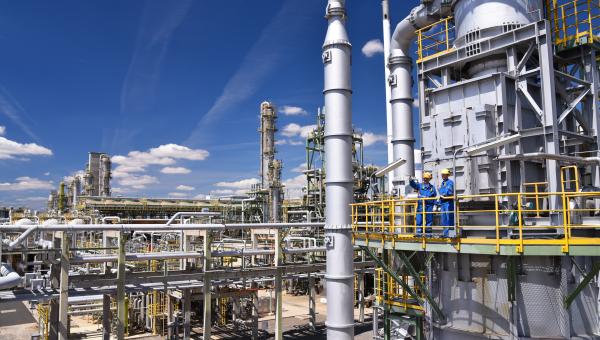
In late July, Congress allowed a valuable program that enhances security at chemical facilities across the country to expire. The program is called the Chemical Facility Anti-Terrorism Standards (CFATS), and its primary mission is to protect chemical facilities from potential terror threats by addressing a wide range of possible vulnerabilities, including cyberattacks.
U.S. refining capacity increased to more than 18.8 million barrels per day as of January 1, 2019, the highest capacity on record, according to a new report issued by the Energy Information Administration.
Though it is largely unseen, cybersecurity permeates most, if not all, aspects of fuel and petrochemical manufacturing, ensuring our industries can function efficiently and without disruption.
WASHINGTON, D.C. – The American Fuel & Petrochemical Manufacturers (AFPM) supports President Trump’s Executive Orders that will create clear pathways for the permitting process and support energy infrastructure development.
BAYTOWN, TEXAS – A decade ago, when Mike Zamora ran ExxonMobil’s Baytown petrochemical plant, his vision to expand the facility and boost its capacity was nothing but a pipe dream.
There aren’t many production facilities in the country more secure than refineries. Leaders in the fuel and petrochemical industries pride themselves on workplace safety and security, which is evident based on even a cursory glance at any AFPM member’s annual security report.