Polyester soccer jerseys, polyethylene swim lane dividers, carbon track shoe insoles, and the jet fuel that moves athletes all over the world. These are just a few examples of the and fuels and petrochemical-based materials that play an irreplaceable role in summer sports.
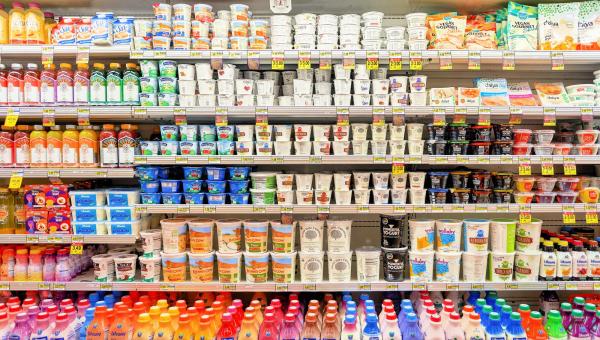
AFPM members know that petrochemicals are invaluable to the production of countless consumer products. But many Americans may not realize how much they rely on xylene, benzene, butadiene, toluene, ethylene and propylene when they opt to spend time outside.
To address freight rail concerns, leaders from LyondellBasell and the Surface Transportation Board (STB) held discussions and toured LyondellBasell’s facility in Morris, Illinois. LyondellBasell’s Morris Complex is unique in that it is served by more than one major rail carrier. Nearly 80 percent of U.S. refineries and petrochemical facilities operate in regions served by just one freight rail provider.
AFPM President and CEO Chet Thompson and API President and CEO Mike Sommers sent a letter to President Biden responding to recent letters the Administration sent to major U.S. fuel refiners suggesting that these companies, their workforces and facilities throughout the country aren’t doing their part to bring fuel to the market and lower energy costs for consumers.
We are surprised and disappointed by the President’s letter. Any suggestion that U.S. refiners are not doing our part to bring stability to the market is false. We would encourage the Administration to look inward to better understand the role their policies and hostile rhetoric have played in the current environment.
As we approach the 2022 hurricane season, experts are predicting yet another severe year, with some saying it will compare to last year. No one knows how accurate these predictions will be, but we can...
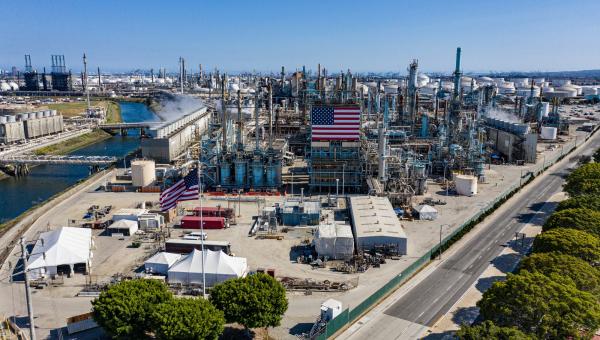
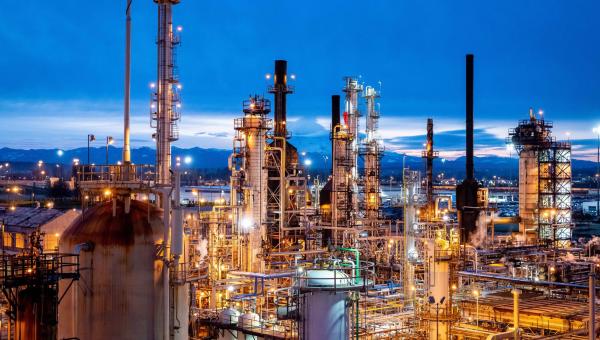
The United States has the most complex and efficient refining industry in the world, but we also have less refining capacity than we used to. Where the issue of refining capacity is concerned, it’s important to understand what refining capacity is, why we’ve lost capacity in the United States and how policies can advance the competitiveness of our refineries in the global market.
McKinsey released a new report outlining the emissions profiles of plastic vs. non-plastic alternatives in multiple use cases. They found that in nearly every case examined, plastics are responsible for less greenhouse gas emissions throughout their lifecycle than alternative materials.